DIY Recovery Without the Price Tag
If you've paid any attention to the wellness space recently, you know that cold water therapy is peaking. From professional athletes to high-performing executives, everyone seems to be incorporating freezing water into their daily routines. But despite what social media might lead you to believe, you don't need a massive budget to get started. Here is how to turn a standard tub into a recovery-grade cold plunge without a $5,000 professional setup.
The Science of the Plunge
Why subject yourself to freezing water? The benefits are deeply rooted in human biology. When you submerge your body in cold water, your blood vessels constrict (vasoconstriction), which flushes out metabolic waste and dramatically reduces muscle inflammation. Once you step out, your blood vessels dilate, pumping fresh, oxygen-rich blood back into your tissues to accelerate recovery.
Beyond the physical benefits, the mental and hormonal shifts are profound. A 3-minute plunge triggers a massive release of endorphins and dopamine, leading to elevated focus and a natural mood boost that lasts for hours. Furthermore, regular cold exposure trains your vagus nerve, improving your body's resilience to everyday stress.
The Sleep Connection
Taking a cold plunge in the morning naturally spikes your cortisol and core body temperature, signaling to your brain that it is time to wake up. This anchors your circadian rhythm. By the time evening rolls around, your core temperature naturally drops, signaling to your brain that it is time for deep, restorative sleep. It is one of the most effective, all-natural sleep aids available.
How to Build Your At-Home Cold Plunge
You already have the most expensive piece of equipment required: your bathtub. Here is how to execute a premium plunge safely and effectively:
- Step 1: Fill and Chill. Fill your standard bathtub with cold tap water. To bring the temperature down to the optimal therapeutic range (around 50°F to 59°F), dump in 20 to 40 pounds of store-bought ice. Use a cheap floating pool thermometer to monitor the temp.
- Step 2: The Breathwork Pre-Game. Before stepping in, take 10 deep, slow breaths. Your body's natural response to the freezing water will be to panic and take short, shallow gasps. Controlling your breath is how you control your nervous system.
- Step 3: Submerge and Surrender. Step into the tub and submerge yourself up to your neck. The first 30 seconds are the hardest. Focus entirely on taking long, slow exhales. Aim for 2 to 3 minutes total. Never push yourself beyond your limits, especially when starting out.
The Aftermath: Warm Up with Intention
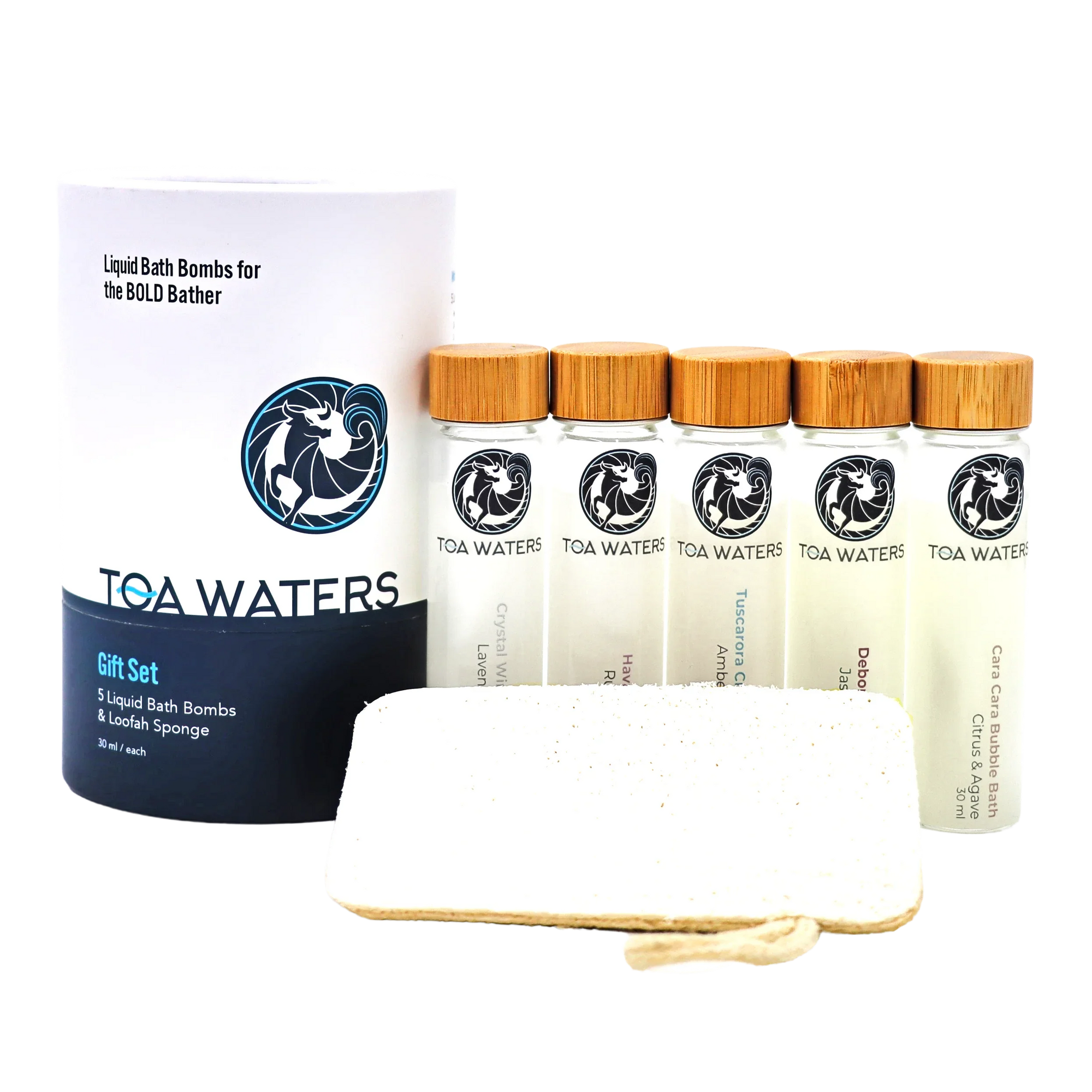
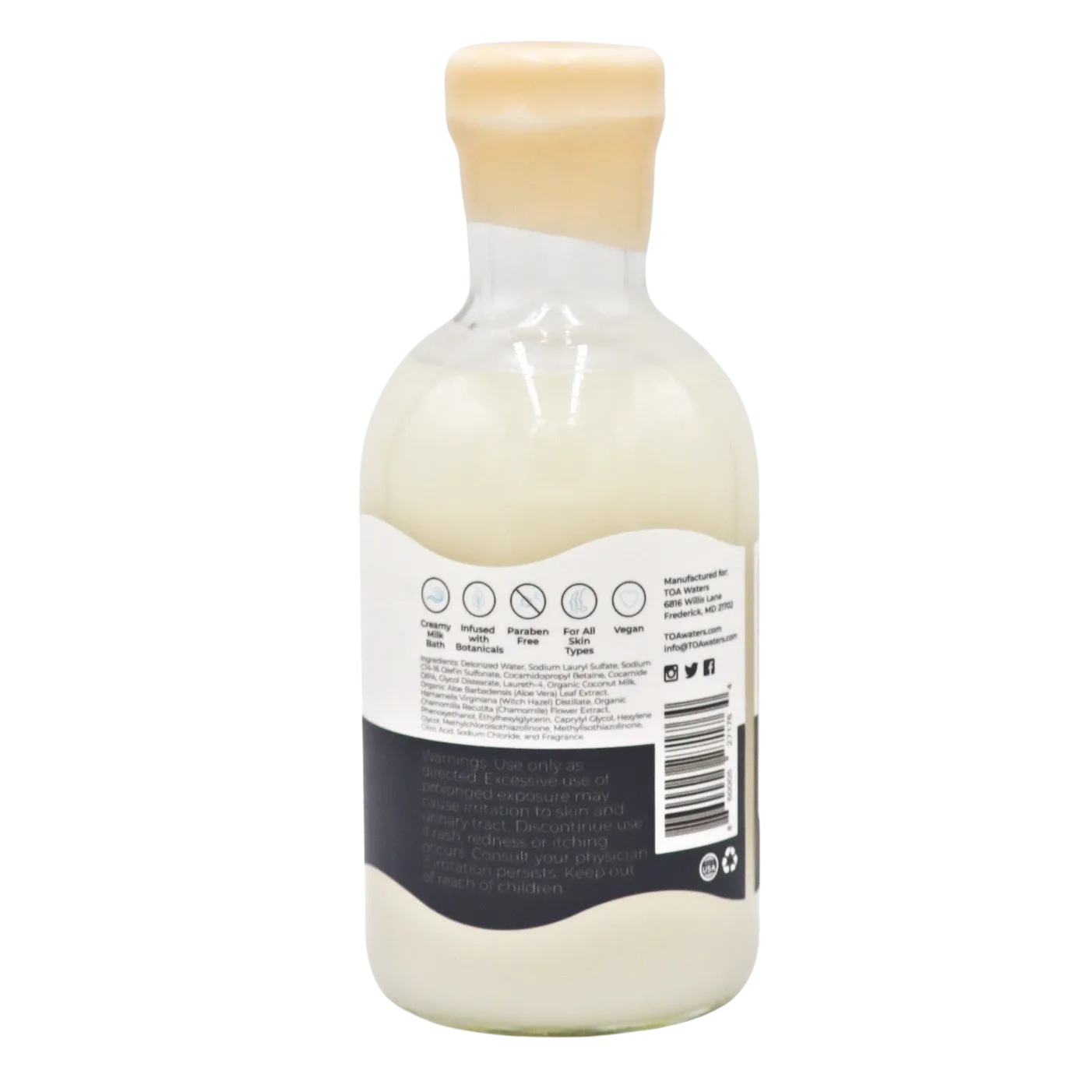
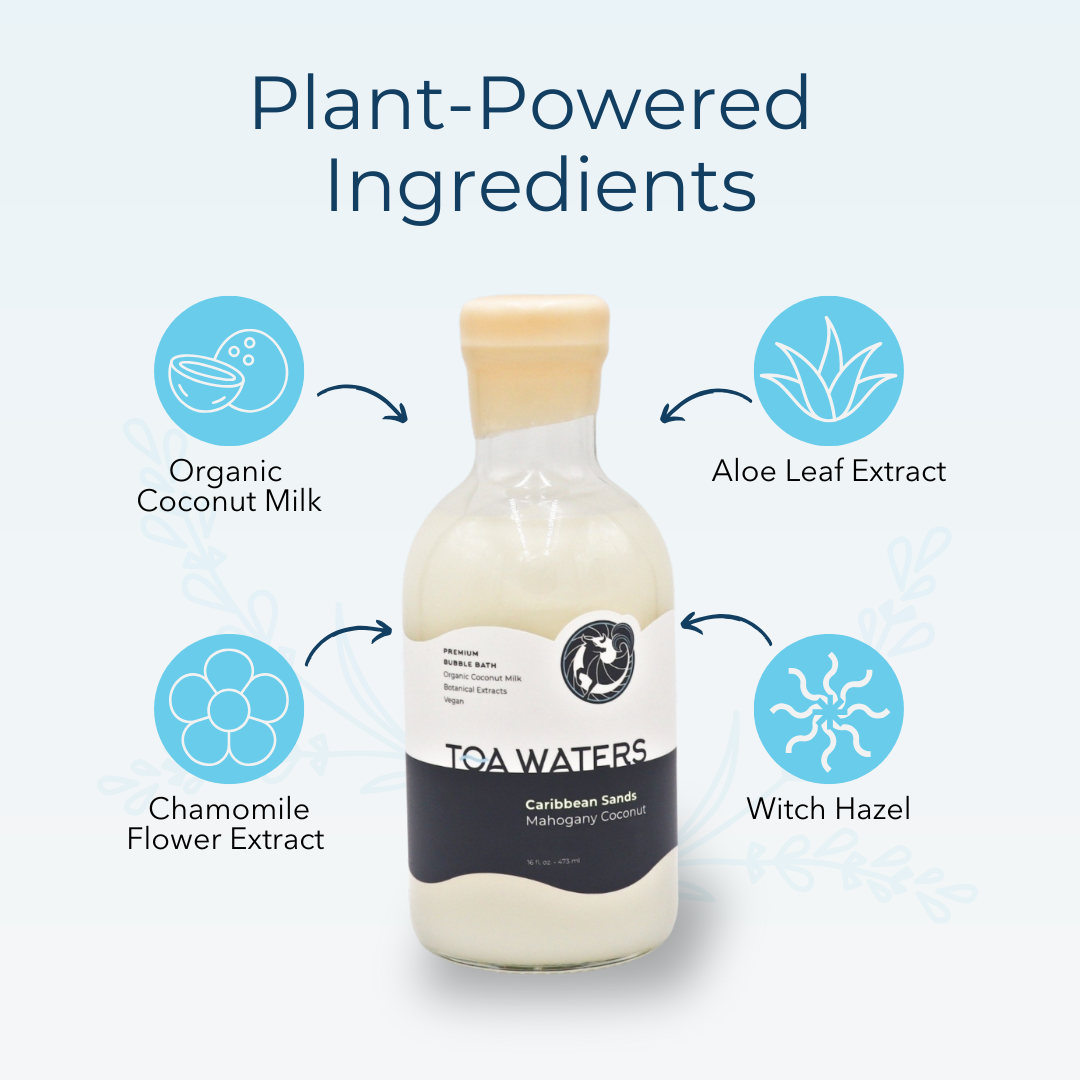
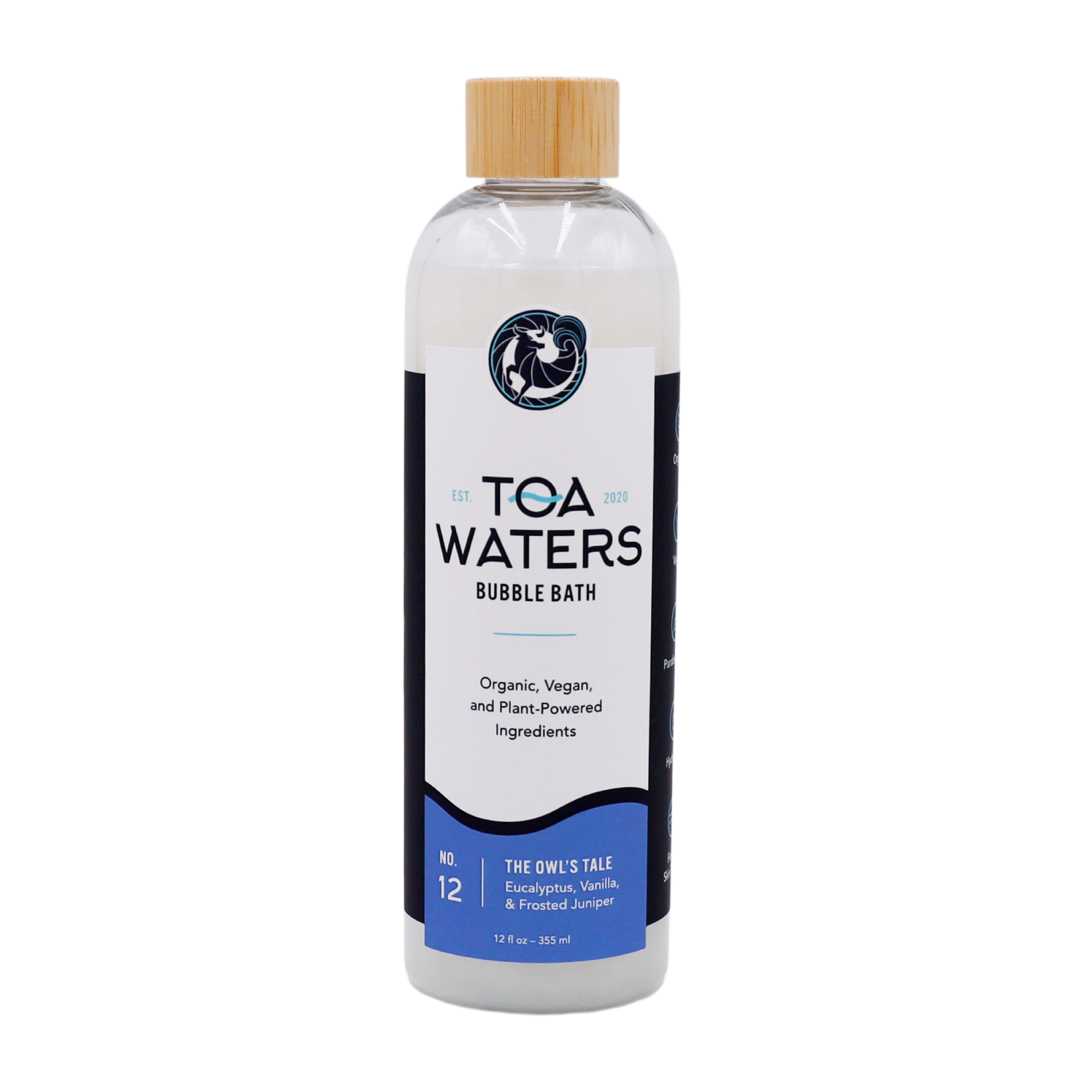
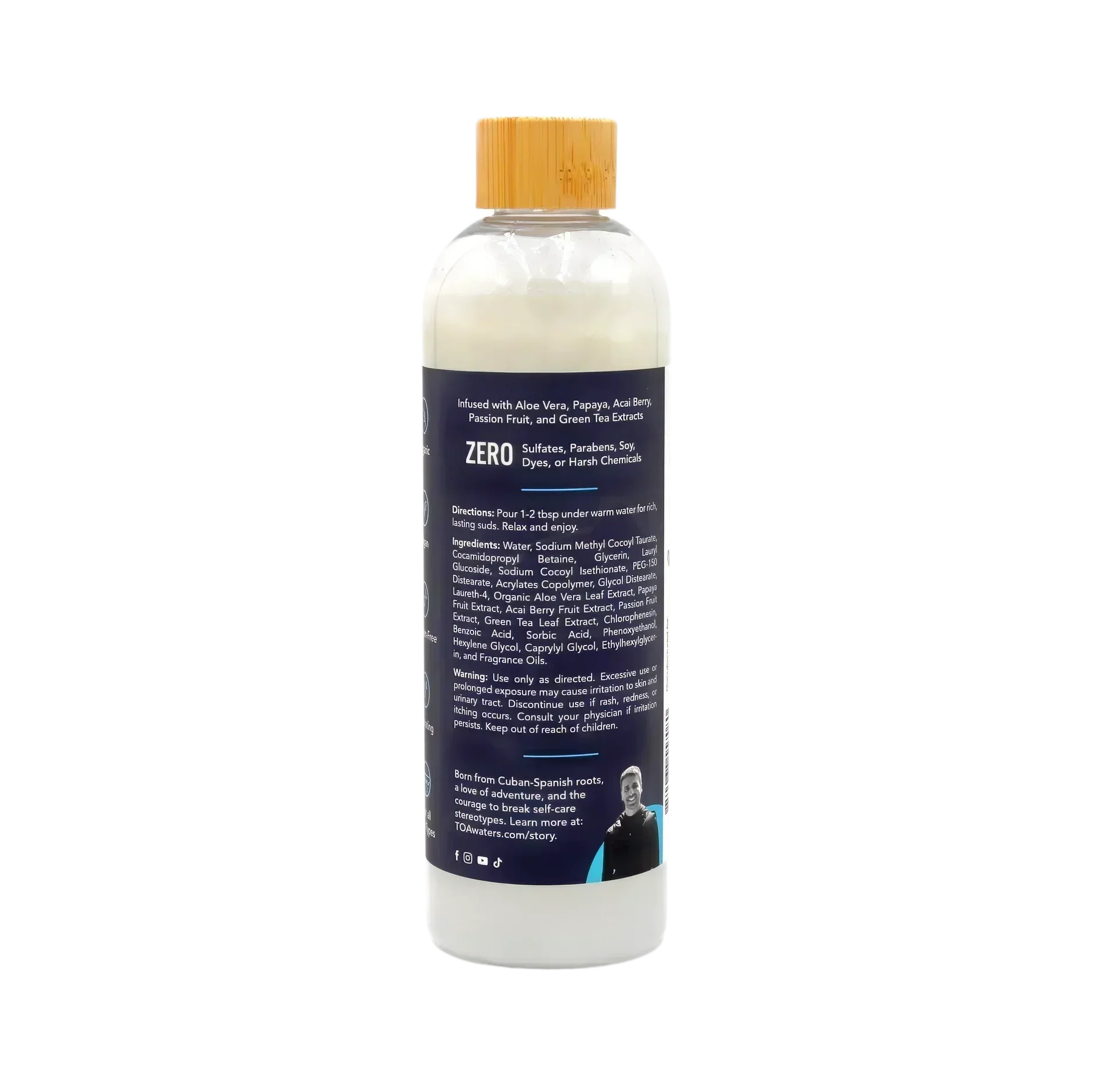
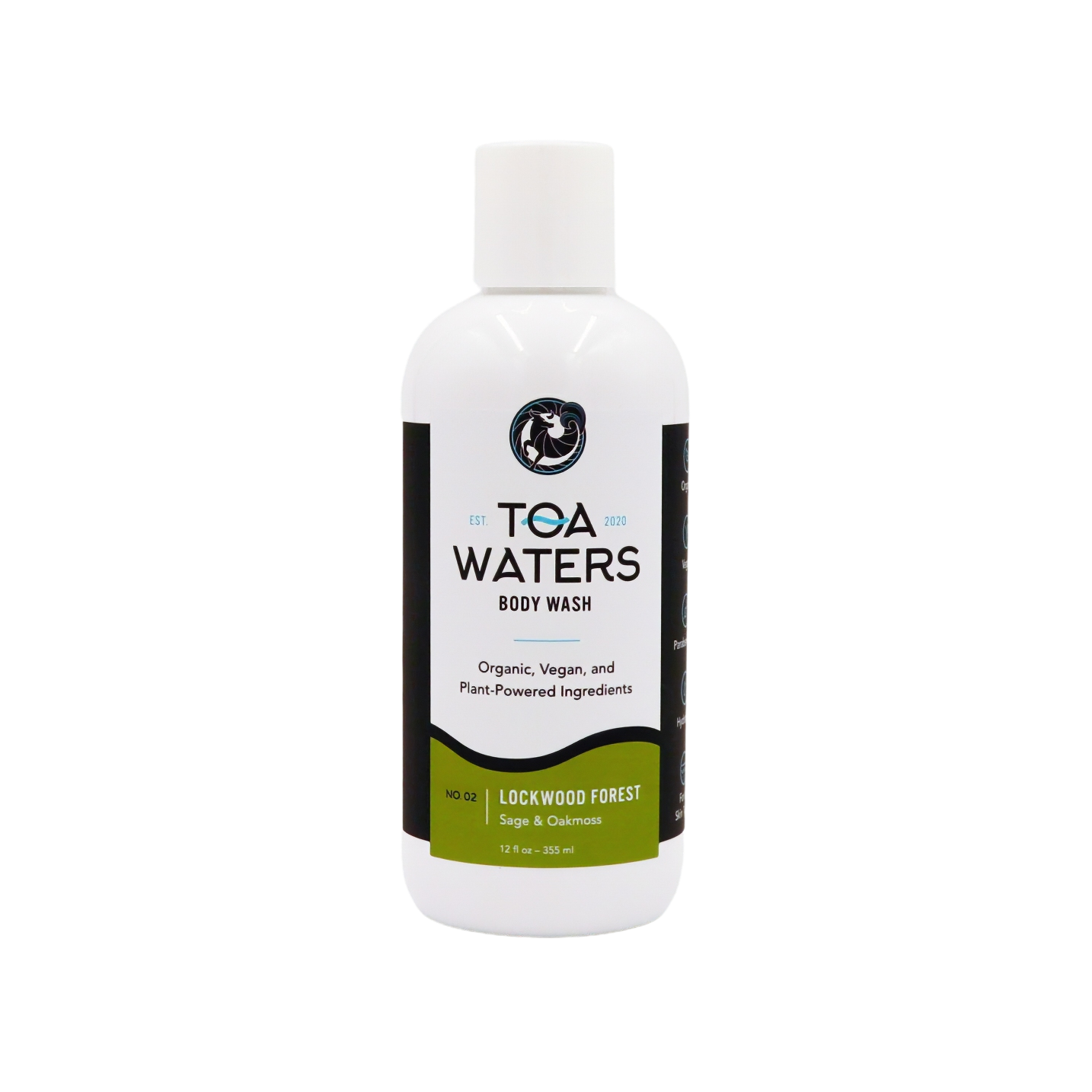
When you get out of the cold plunge, resist the urge to immediately jump into a scalding hot shower, as this can shock your system. Instead, pat yourself dry and let your body warm up naturally. Once your core temperature stabilizes, you can take a warm (not hot) shower using a hydrating cleanser like TOA Waters Body Wash to wash away any stress and lock in the physical benefits of the plunge.
Final Thought
High-performance recovery is about consistency and challenging your comfort zone. This week, grab a few bags of ice, fill the tub, and discover what you're truly capable of.