From sleep trackers and bedtime routines to “sleepy-time mocktails,” sleepmaxxing is turning rest into the ultimate self-care ritual. But how much of it actually works?
If self-care had a new obsession, it might not be a face mask, bubble bath, or morning workout. It might be sleep.
Enter sleepmaxxing.
The term has exploded across social media as people look for ways to optimize their sleep, improve their nighttime routines, and wake up feeling more refreshed. From elaborate wind-down rituals to sleep trackers, cooling mattresses, magnesium supplements, blue-light glasses, and even mouth taping, people are experimenting with just about everything in the pursuit of better rest.
But beneath the viral hacks is a pretty simple idea: we all want to sleep better.
And considering how important sleep is to our physical and mental well-being, maybe this particular wellness trend isn't such a bad one.
The question is: Which sleepmaxxing habits are actually worth your time, and which ones are just internet hype?
What Is Sleepmaxxing?
Sleepmaxxing is essentially the practice of optimizing your sleep.
Think of it as taking your bedtime routine and turning it into a personal wellness ritual.
Instead of simply crawling into bed whenever you're tired, sleepmaxxing encourages you to think about everything surrounding sleep: your bedroom environment, nighttime habits, bedtime schedule, stress levels, and even the technology you use to track your rest.
Some people take it very seriously. Their routines might include:
- Tracking sleep stages with a wearable
- Keeping the bedroom extremely cool and dark
- Avoiding screens before bed
- Taking a warm shower or bath
- Practicing meditation or breathwork
- Drinking caffeine-free nighttime beverages
- Reading before bed
- Wearing blue-light-blocking glasses
- Using weighted blankets
- Taking supplements marketed for sleep
- Experimenting with mouth taping or nasal strips
Some strategies are relatively simple and evidence-based. Others fall somewhere between questionable and downright unnecessary.
That's part of what makes sleepmaxxing so fascinating.
Why Is Everyone Suddenly So Interested in Sleep?
Sleep has always been important. So why has it become such a major wellness trend?
One reason is that people are increasingly viewing sleep as part of their overall self-care rather than simply downtime.
For years, being busy was almost treated like a status symbol. Getting by on five hours of sleep could sound impressive.
Today, there's a growing shift toward recognizing that constantly sacrificing sleep isn't necessarily productive.
Sleep affects virtually every part of how we feel and function. According to the Centers for Disease Control and Prevention (CDC), adults generally need at least seven hours of sleep per night, although individual needs can vary.
Better sleep is associated with benefits including:
- Improved mood
- Better concentration and attention
- Physical recovery
- Immune function
- Cardiovascular health
- Memory and learning
- Better daytime energy
In other words, sleep isn't time wasted.
It's part of taking care of yourself.
Sleepmaxxing Turns Bedtime Into Self-Care
One of the most interesting things about this trend is how closely it connects with the broader evolution of self-care.
Self-care used to be associated primarily with things like skincare, spa treatments, exercise, and relaxation.
Now, we're seeing a much broader definition.
Self-care can mean setting boundaries. Taking a walk. Disconnecting from your phone. Eating nourishing food. Taking a mental health day.
And yes, going to bed early.
A nighttime routine can also become a signal to your brain that the day is winding down.
Instead of going directly from answering emails to scrolling social media to suddenly realizing it's 1 a.m., you create a transition between your busy day and your night.
That transition can be surprisingly powerful.
The Sleepmaxxing Habits Worth Trying
Not every viral sleep hack deserves a spot in your nighttime routine.
Fortunately, some of the simplest strategies may be the most useful.
1. Create a Consistent Sleep Schedule
Your body loves consistency.
Going to bed and waking up around the same time each day can help establish a predictable sleep-wake rhythm.
You don't need to be perfect. But if your bedtime changes dramatically every night, your body may have a harder time knowing when it's time to wind down.
Try this: Pick a realistic bedtime and wake-up time and stick with it most days of the week.
2. Make Your Bedroom a Sleep Sanctuary
Your bedroom doesn't have to look like a luxury hotel.
But it should make you want to sleep.
Think:
Cool. Dark. Quiet. Comfortable.
Blackout curtains, comfortable bedding, a supportive pillow, and a cooler room can make a noticeable difference in your sleep environment.
And don't underestimate scent.
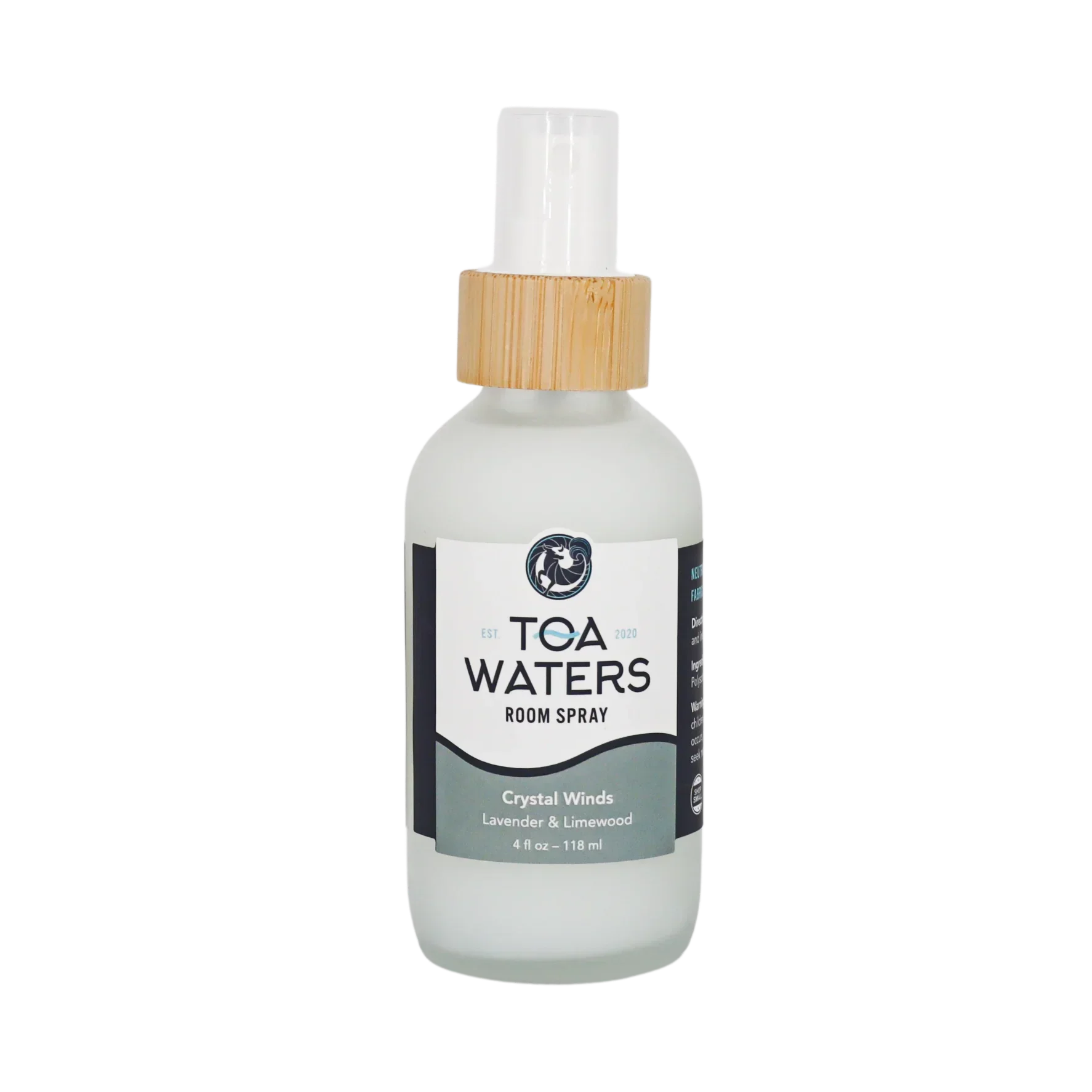
A calming room spray can become part of your nighttime ritual, particularly when paired with other relaxing behaviors.
The goal isn't to create a complicated routine. It's to create an environment that tells your brain:
The day is over. It's time to relax.
3. Put Your Phone Down
This may be the hardest sleepmaxxing hack of them all.
Your phone is probably sitting next to your bed right now.
Maybe you're reading this on it.
Screens aren't automatically terrible for sleep, but late-night phone use can keep your mind engaged when you're trying to wind down. Notifications, social media, emails, and endless scrolling can also make it harder to mentally disconnect.
Try establishing a screen-free wind-down period before bed.
Start with 20 or 30 minutes if an hour feels impossible.
4. Develop a Wind-Down Ritual
A good nighttime routine doesn't need 14 steps.
In fact, simpler may be better.
Try creating a sequence of relaxing activities that you repeat most nights:
Shower → skincare → comfortable pajamas → relaxing scent → reading → bed
Or perhaps:
Warm bath → calming music → tea → journal → bed
The activities themselves matter less than creating a consistent transition into relaxation.
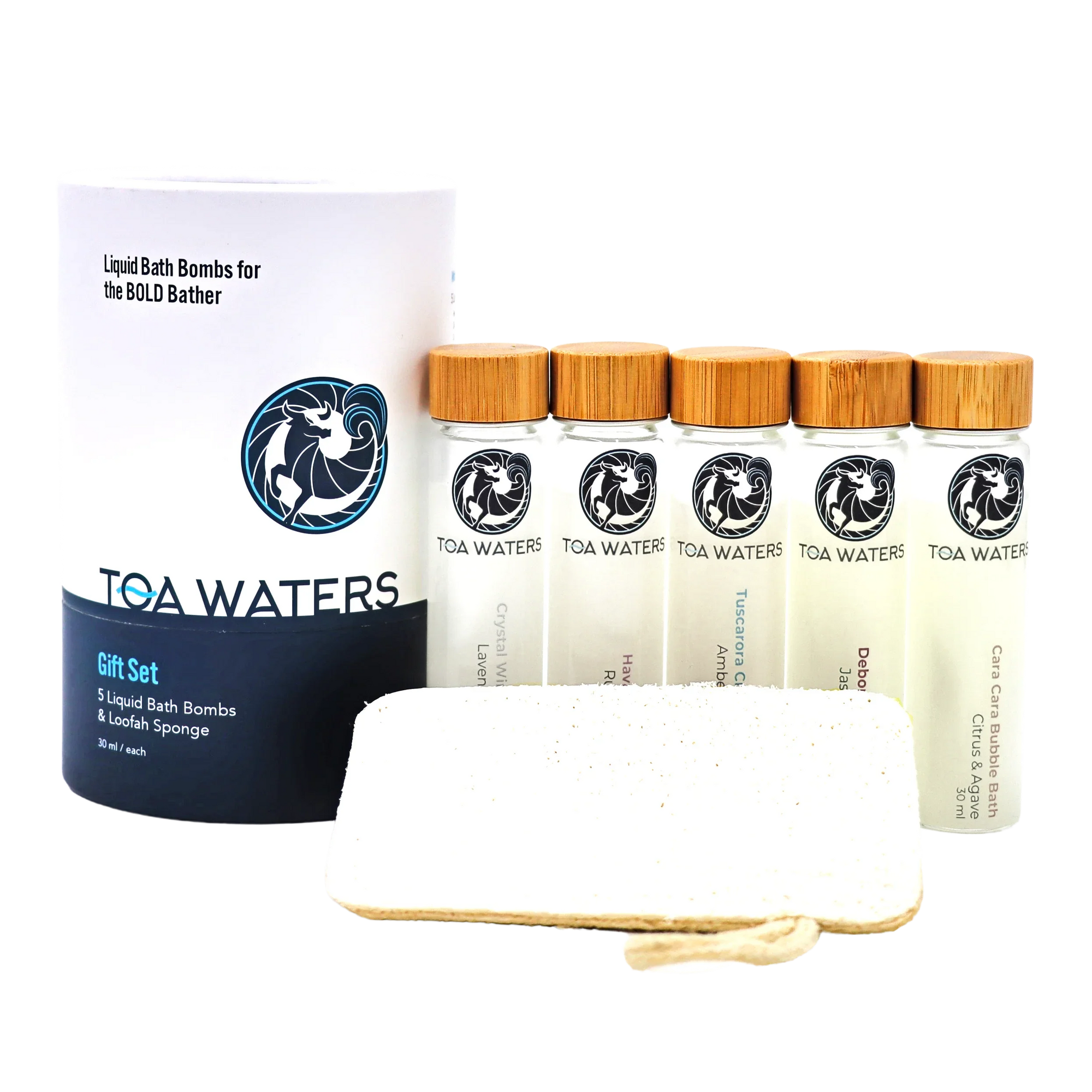
And yes, this is where a good bubble bath can absolutely earn its place.
A warm bath before bed can be a relaxing way to transition out of your day, especially when you treat it as a ritual rather than something you rush through.
5. Stop Trying to Make Sleep Perfect
Here's the ironic part of sleepmaxxing:
Trying too hard to sleep perfectly can actually make sleep more stressful.
You don't need the perfect mattress temperature, the perfect sleep score, the perfect supplement stack, and a 27-step bedtime routine.
If your wearable tells you that you had a terrible night but you woke up feeling great, should you really spend the entire morning worrying about your sleep score?
Probably not.
Sleep optimization should make your life better—not give you another metric to obsess over.
What About Sleep Trackers?
Wearables and sleep-tracking apps have made sleep data incredibly accessible.
You can wake up and immediately see estimates for your:
- Total sleep
- Deep sleep
- REM sleep
- Time awake
- Heart rate
- Sleep consistency
For some people, this information can be motivating.
But there's a potential downside: more data doesn't always mean better sleep.
If checking your sleep score makes you anxious about whether you slept “well enough,” it may be counterproductive.
Your sleep tracker should be a tool—not your boss.
Pay attention to how you actually feel during the day, too.
Beware of the Viral Sleep Hacks
This is where sleepmaxxing gets a little weird.
Social media is filled with increasingly elaborate sleep hacks, but viral doesn't mean scientifically proven.
Some trends may have limited evidence, while others can potentially carry risks.
Mouth taping is a good example. It has become popular online as a way to encourage nasal breathing during sleep, but it's not something everyone should experiment with—particularly people who have breathing problems, nasal obstruction, or certain sleep disorders.
The same goes for supplements.
“Natural” doesn't automatically mean effective or appropriate for everyone.
Before adding supplements or trying unusual sleep interventions, it's worth talking with a healthcare professional.
The Best Sleepmaxxing Routine Might Be Surprisingly Boring
Here's the secret nobody wants to hear:
The best sleep routine probably isn't very glamorous.
It might look something like this:
Same bedtime.
Cool, dark bedroom.
Less screen time.
Comfortable environment.
Relaxing routine.
Enough time in bed.
Repeat.
That's it.
You don't need an expensive sleep pod or a refrigerator-cooled mattress.
You don't need to track every minute of REM sleep.
And you definitely don't need to turn bedtime into another productivity competition.
Sometimes wellness means doing less.
Sleepmaxxing is About Sleeping Better
There's a bigger lesson hiding underneath the sleepmaxxing trend.
We're increasingly recognizing that rest is productive.
Your body needs recovery. Your brain needs downtime. Your nervous system needs opportunities to slow down.
And self-care doesn't always have to involve doing something.
Sometimes self-care means turning off the lights, putting your phone away, climbing into bed, and giving yourself permission to rest.
So go ahead and experiment with your nighttime routine.
Make your bedroom cozy. Take a bath. Put on some relaxing music. Spray your favorite scent. Read a few pages of a book.
Just don't let the pursuit of “perfect sleep” become another source of stress.
The ultimate sleepmaxxing goal isn't a perfect sleep score. It's waking up feeling ready to live your life.