How ancient civilizations turned simple baths into rituals of wellness, relaxation, and connection with nature.
Long before luxury spas, scented bubble baths, and modern self-care routines, people around the world were turning to nature to elevate their bathing experiences.
For thousands of years, herbs, flowers, roots, and aromatic plants have been infused into bathwater to create rituals that nourished the body, calmed the mind, and connected people to the natural world.
From the flower-filled baths of ancient Egypt to the herbal soaking traditions of Asia and Europe, bathing with plants has a rich history that continues to influence modern wellness practices today.
Let's take a journey through time and explore the fascinating history and culture of herbal bathing.
Why Humans Started Bathing with Plants
At its core, bathing has always been about more than cleanliness.
Throughout history, people have viewed bathing as a way to restore balance, promote wellness, prepare for ceremonies, and create moments of peace.
Herbal plants naturally became part of these traditions because they were abundant, fragrant, and deeply connected to local cultures.
Different communities used plants for different purposes:
- Relaxation and stress relief
- Spiritual and religious rituals
- Celebrations and ceremonies
- Seasonal wellness traditions
- Beauty and self-care practices
- Connecting with nature
Although methods varied across cultures, one idea remained constant: nature and water were a powerful combination.
Ancient Egypt: Baths Fit for Royalty
The ancient Egyptians are often credited with developing some of the earliest beauty and bathing rituals.
Bathing was closely linked to cleanliness, spirituality, and personal care.
Historical records suggest that fragrant plants and oils such as lavender, frankincense, myrrh, and rose were commonly used in grooming and bathing practices.
Perhaps no figure is more associated with luxurious herbal bathing than Cleopatra, whose legendary beauty routines have inspired countless stories throughout history.
While some tales may be exaggerated, they highlight the long-standing connection between bathing, botanicals, and self-care.
Ancient Greece and Rome: Bathing as a Social Experience
The Greeks and Romans elevated bathing into a cultural institution.
Public bathhouses became gathering places where people socialized, exercised, discussed politics, and relaxed.
Herbs and aromatic plants were often incorporated into oils, steam rooms, and bathing rituals.
Common botanicals included:
- Rosemary
- Thyme
- Mint
- Lavender
- Sage
These plants were appreciated not only for their pleasant aromas but also for the calming and refreshing experience they brought to the bathing process.
Traditional Chinese Herbal Bathing
For thousands of years, herbal bathing has played an important role in traditional Chinese wellness practices.
Many herbal bath traditions focused on creating balance and harmony between the body and the environment.
Baths were often infused with carefully selected botanicals and roots, creating aromatic soaking experiences designed to promote comfort and relaxation.
Even today, herbal bath houses and wellness centers throughout China continue these traditions, blending ancient practices with modern spa experiences.
Japan's Deep Connection to Botanical Bathing
Japan has one of the world's most celebrated bathing cultures.
In addition to its famous onsen (hot spring) traditions, seasonal herbal baths remain popular throughout the country.
One of the best-known examples is the Yuzu Bath, traditionally enjoyed during the winter solstice.
Whole yuzu citrus fruits are placed into hot bathwater, filling the air with a bright, refreshing aroma.
Other seasonal plants have also been incorporated into bathing traditions throughout Japanese history, reinforcing the cultural connection between nature, wellness, and daily life.
European Herbal Bath Traditions
Throughout medieval and Renaissance Europe, herbal bathing became deeply intertwined with folk traditions and home remedies.
Families would gather herbs from gardens and forests to create fragrant baths.
Popular choices included:
- Chamomile
- Lavender
- Rose petals
- Calendula
- Lemon balm
- Peppermint
Many of these plants remain popular in bath products today because of their soothing aromas and timeless appeal.
Indigenous Traditions Around the World
Many Indigenous cultures have long used plants as part of ceremonial and wellness practices involving water.
While traditions vary significantly by region and community, plants often held cultural, spiritual, and practical significance.
These traditions remind us that bathing has historically been about far more than hygiene. It has often served as a way to connect with the environment, community, and personal well-being.
The Rise of Modern Herbal Bathing
As industrialization changed daily life, many traditional bathing customs evolved. Yet the appeal of botanical bathing never disappeared.
In fact, today's wellness movement has helped revive interest in herbal ingredients.
Modern consumers increasingly seek products inspired by nature, including:
- Herbal bath soaks
- Botanical bubble baths
- Essential oil-infused products
- Bath teas
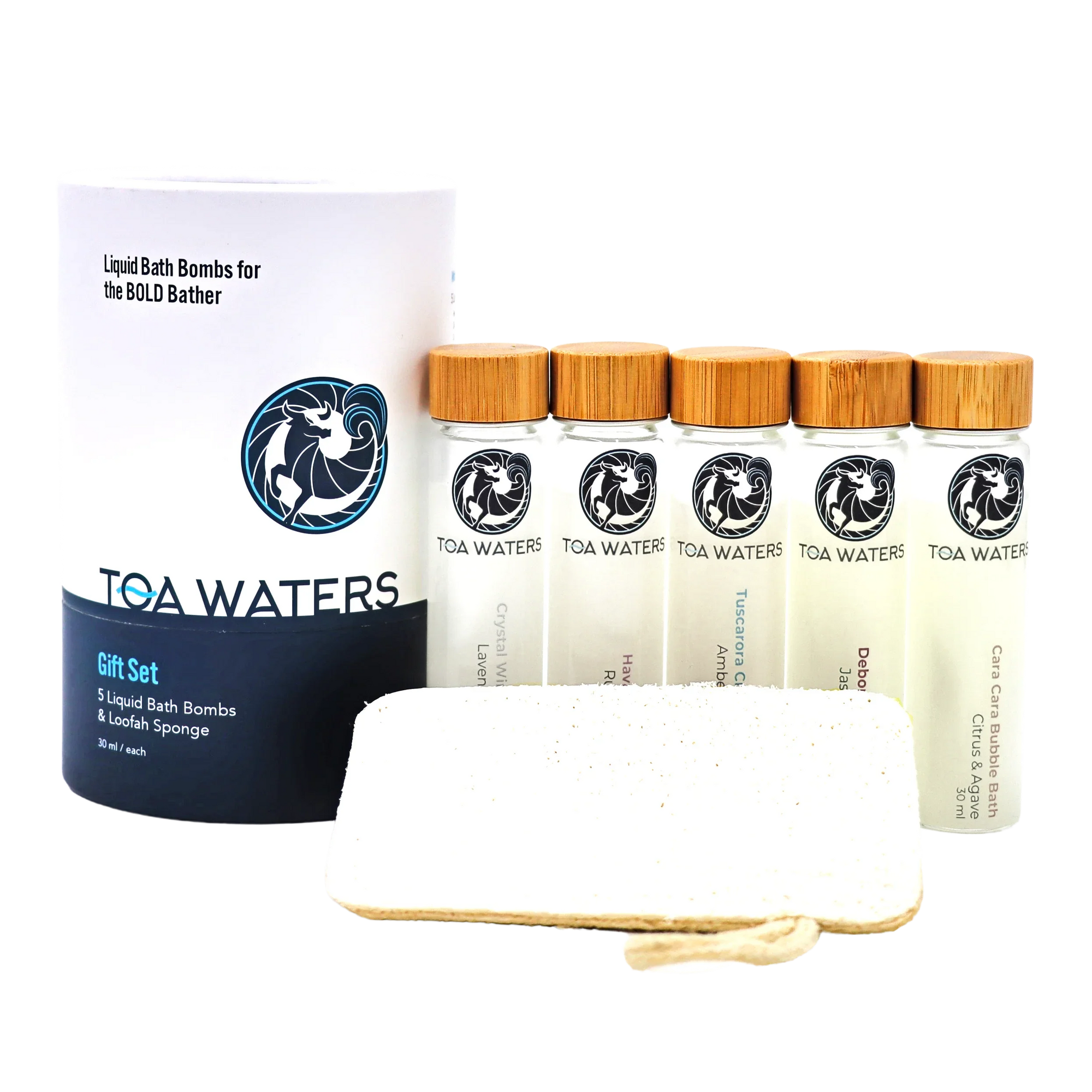
- Plant-based bath bombs
- Herbal room sprays and aromatherapy products
People are rediscovering what ancient civilizations understood centuries ago: a thoughtfully prepared bath can be one of life's simplest luxuries.
Popular Herbs Used in Baths Today
Many of the plants used by ancient cultures continue to appear in modern bath products.
Lavender
Known for its calming aroma and association with relaxation.
Chamomile
Popular for creating a comforting and soothing atmosphere.
Rose
A timeless botanical associated with luxury and romance.
Mint
Provides a fresh, invigorating experience.
Eucalyptus
Often used to create a spa-like shower or bath environment.
Calendula
A vibrant flower commonly featured in botanical skincare products.
Bringing Herbal Bathing into Your Modern Routine
You don't need access to ancient bathhouses or natural hot springs to enjoy the benefits of botanical-inspired bathing.
Simple ways to incorporate herbal traditions into your routine include:
- Using plant-inspired bubble baths
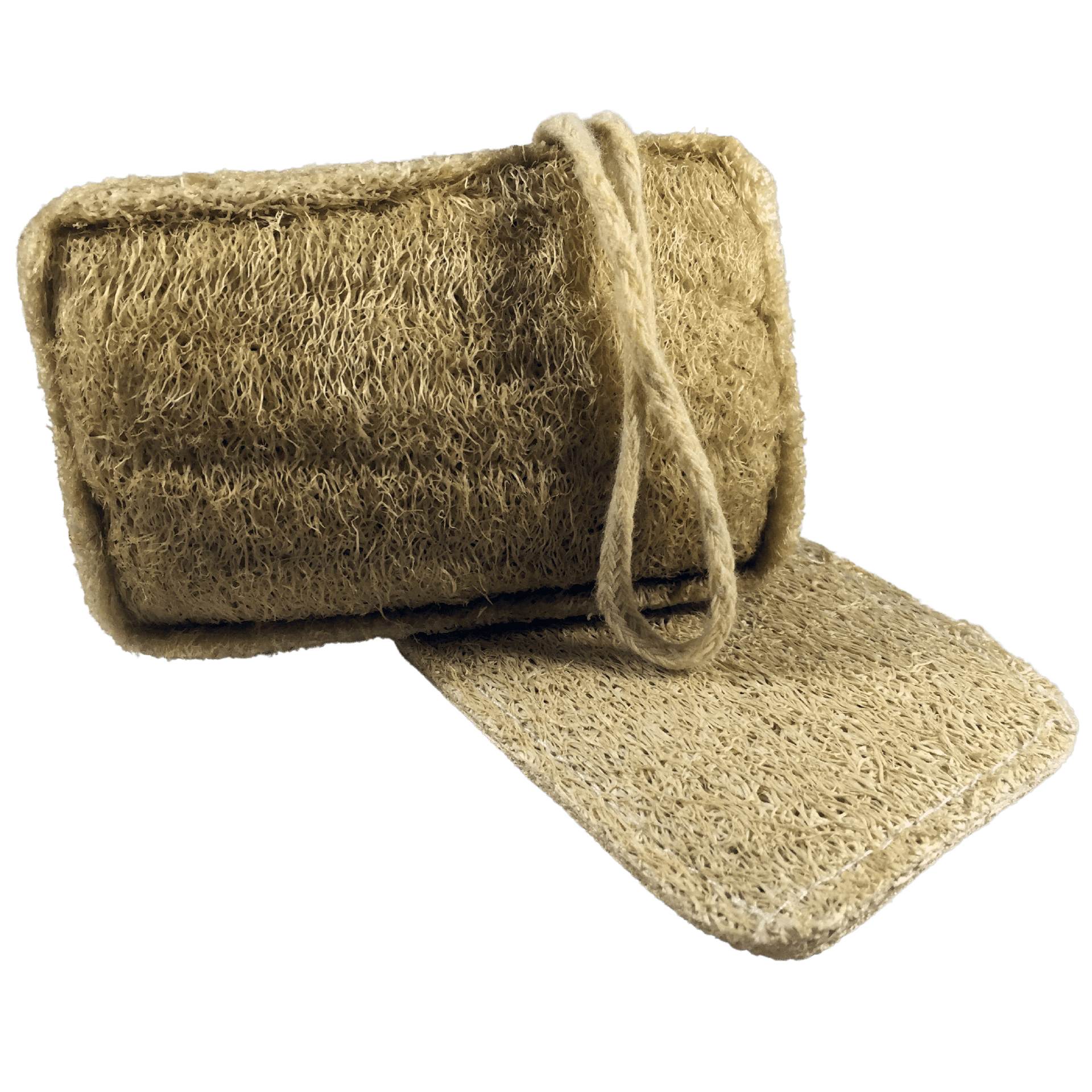
- Adding dried herbs or flowers to a bath sachet
- Displaying fresh eucalyptus in the shower
- Creating a relaxing atmosphere with nature-inspired fragrances
- Choosing bath products formulated with botanical ingredients
The Bottom Line
Across continents and centuries, herbal bathing has remained one of humanity's most enduring wellness traditions.
Whether it was the flower-filled baths of Egypt, the communal bathhouses of Rome, the seasonal rituals of Japan, or the herbal traditions passed down through generations in Europe and Asia, people have long recognized the power of combining water and plants.
Today, those traditions continue to inspire modern self-care routines, reminding us that sometimes the best way to unwind is also one of the oldest.
A warm bath, a botanical fragrance, and a few quiet moments may be all you need to reconnect with yourself and the natural world.