Ancient Soaks to National Bubble Bath Day
A fun, feel-good journey through bathing culture, and why we’re still soaking today
Bathing has never just been about getting clean. For thousands of years, humans have turned to water for relaxation, ritual, connection, and healing. From ancient stone bathhouses to today’s bubble-filled tubs, our love affair with soaking runs deep.
As National Bubble Bath Day 2026 approaches on January 8, 2026, it’s the perfect moment to look back at where bathing culture began and how it evolved into the modern self-care ritual we celebrate today.
Ancient Baths: Where It All Began
Roman Baths: Social, Sacred, and Steamy
In ancient Rome, bathing was a daily ritual. Public bathhouses weren’t luxuries; they were community hubs. The famous Roman Baths in Bath, England, featured a series of rooms designed for progressive relaxation: hot baths, warm pools, cold plunges, and steam.
Bathing was social, restorative, and deeply woven into everyday life.
Global Soaking Traditions
Romans weren’t alone. Cultures around the world embraced bathing as both wellness and ritual:
- Ottoman hammams focused on purification and relaxation
- Japanese onsens centered on mineral-rich hot springs and mindfulness
- Ancient Egyptian baths incorporated oils and botanicals for skin care
Across civilizations, soaking was a sacred time. It was an intentional pause.
The Shift to Private Baths and Personal Rituals
As plumbing moved indoors, bathing became more private. By the 19th and 20th centuries, tubs entered homes, and bathing shifted from communal ritual to personal escape.
This is when baths became about you: your stress, your senses, your moment of calm.
The Rise of Modern Self-Care Culture
Today, bathing is having a major comeback. This time, as a cornerstone of self-care.
Modern bath rituals often include:
- Aromatherapy and mood-setting scents
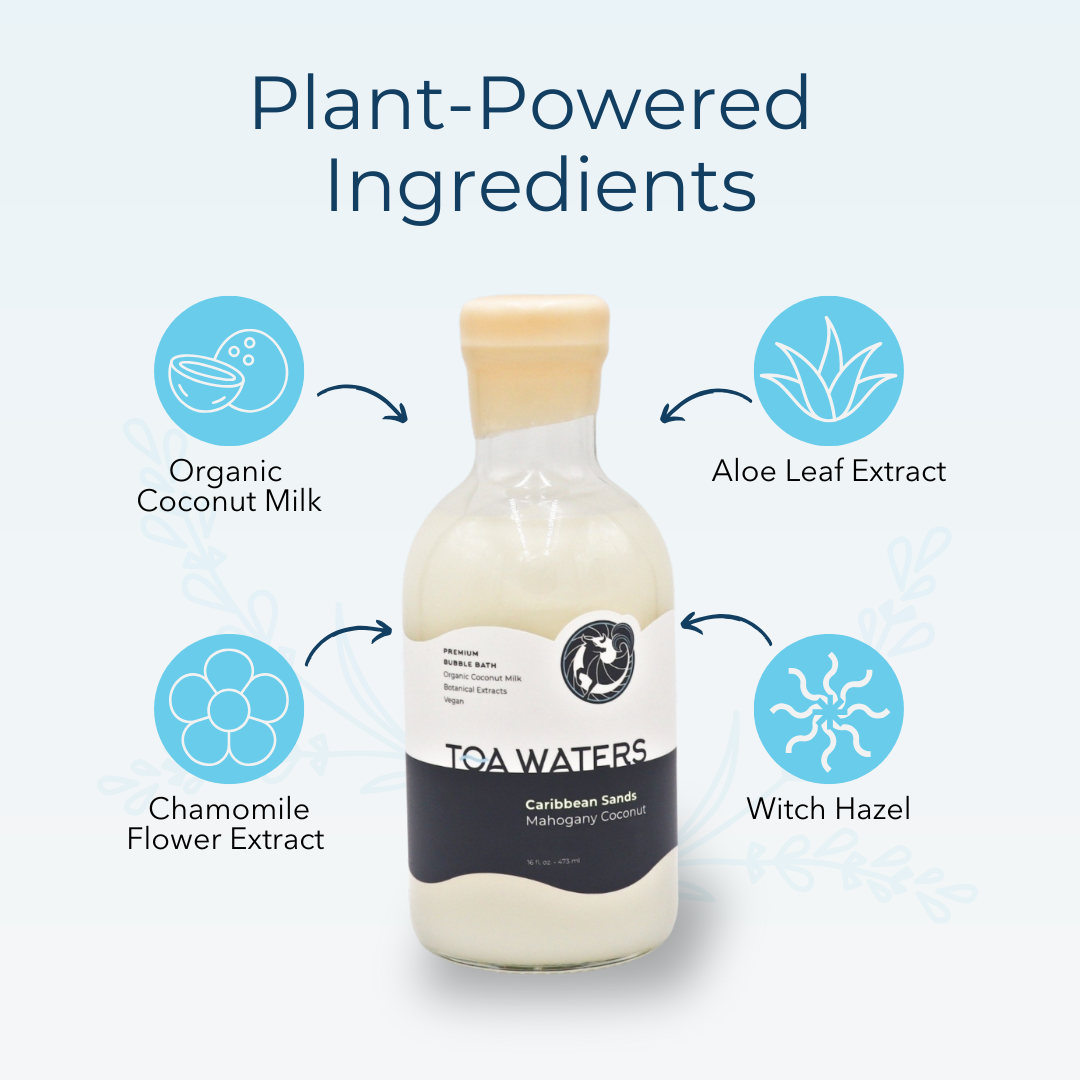
- Skin-nourishing formulas and natural ingredients
- Quiet moments away from screens and stress
According to the Cleveland Clinic, warm baths can help reduce stress and promote relaxation, supporting what bath lovers have known for centuries.
What Is National Bubble Bath Day?
National Bubble Bath Day is celebrated every year on January 8 and is dedicated to one simple idea: taking time to slow down and enjoy a relaxing soak. While it may sound lighthearted, the holiday taps into something deeply human: our long-standing connection to water as a source of comfort, calm, and renewal.
Unlike many modern holidays built around productivity or performance, National Bubble Bath Day encourages rest. It’s a reminder that self-care doesn’t have to be complicated or expensive. Sometimes, the most restorative rituals are the simplest ones: warm water, quiet moments, and a chance to reset.
As interest in wellness and intentional living continues to grow, National Bubble Bath Day has become a favorite for people looking to start the year with balance rather than burnout. It’s less about perfection and more about presence, stepping away from the noise and reconnecting with yourself, even if just for a little while.
Why National Bubble Bath Day Still Matters
National Bubble Bath Day, celebrated every year on January 8, is more than a fun excuse to soak, it’s a reminder to slow down, unplug, and reconnect with yourself.
In 2026, the holiday lands right at the start of the year, making it the perfect moment to:
- Reset after the holidays
- Start the year with intention
- Prioritize small, meaningful acts of self-care
From Roman bathhouses to modern tubs filled with bubbles, the message hasn’t changed: taking time to soak is taking time for yourself.
How to Celebrate National Bubble Bath Day 2026
- Light a candle and set the mood
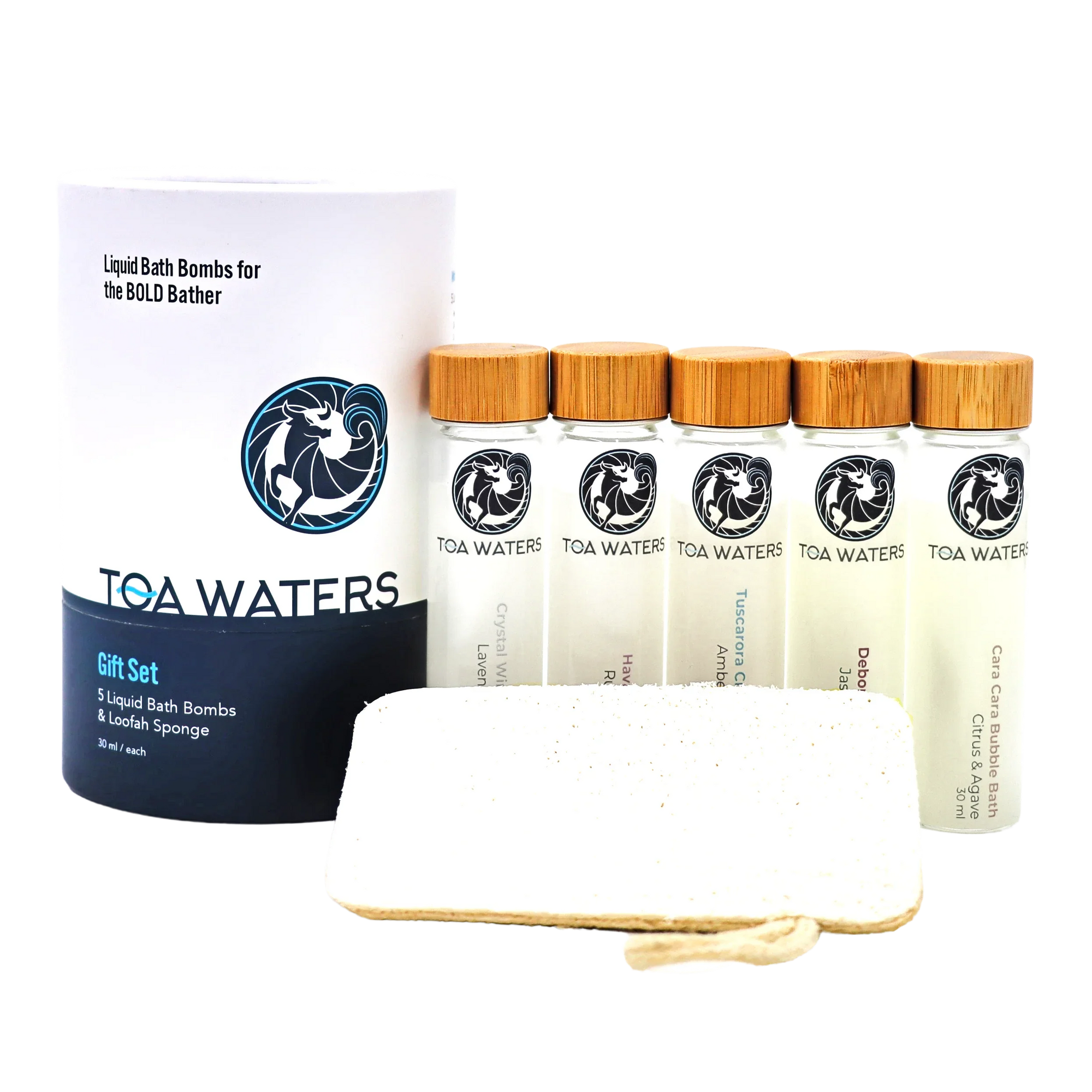
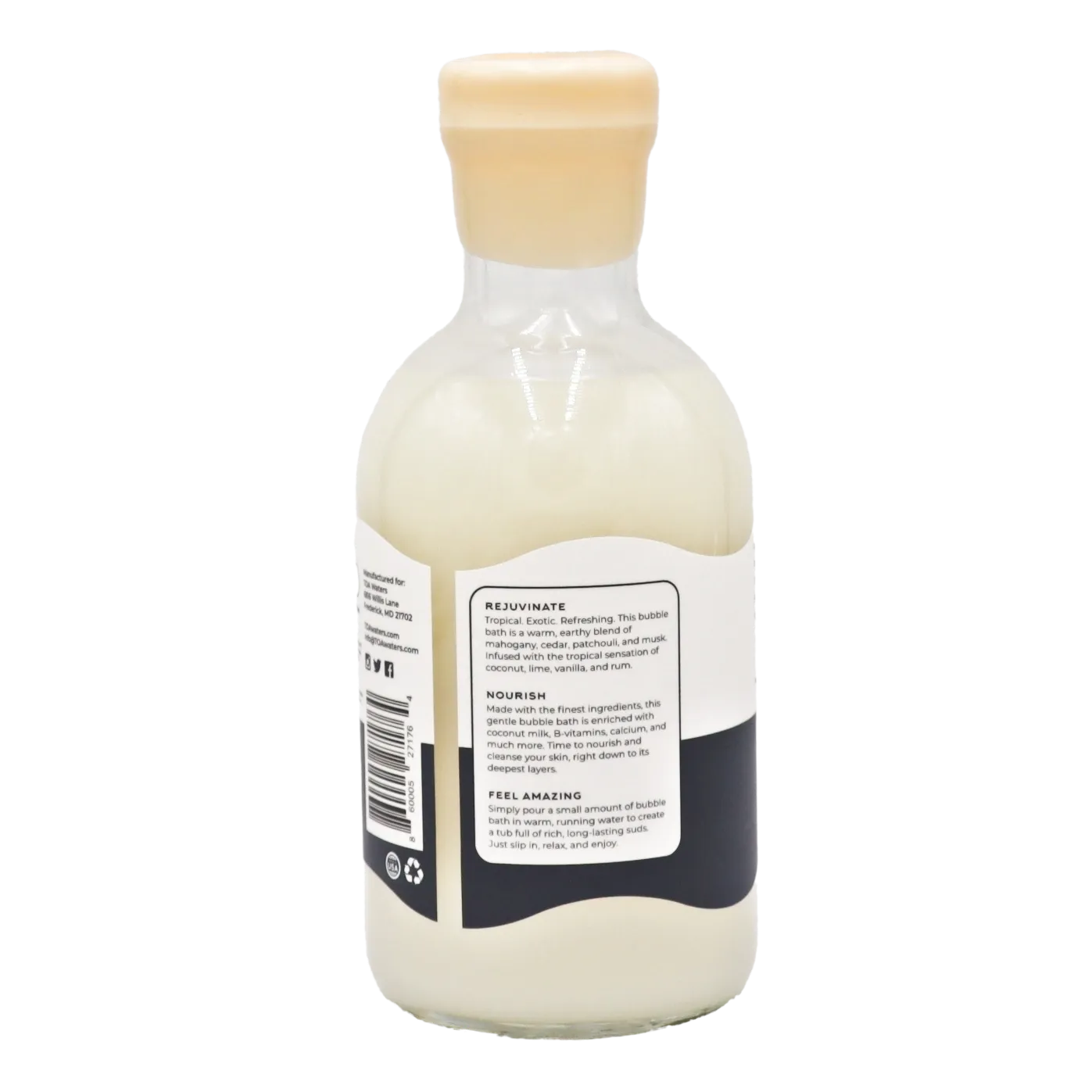
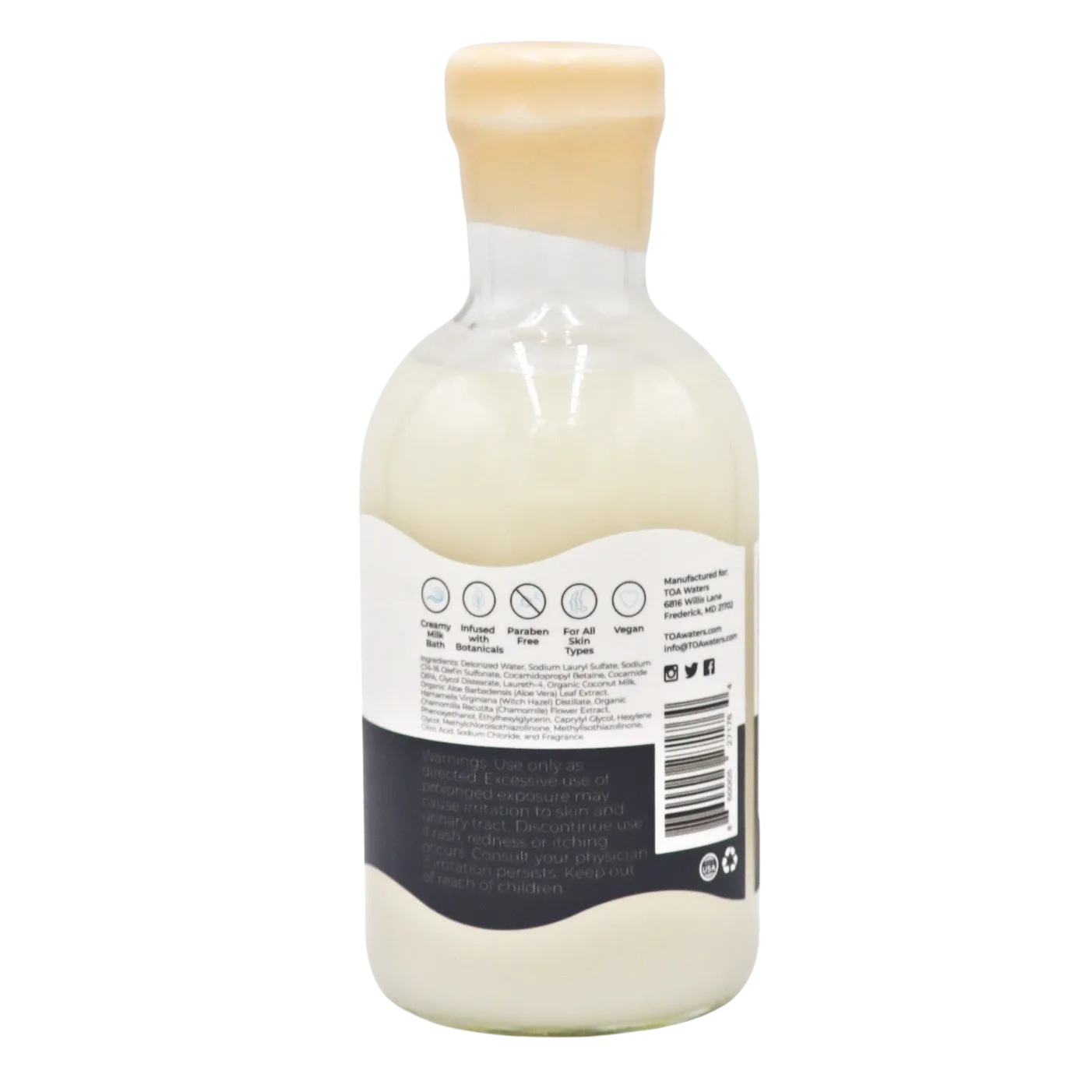
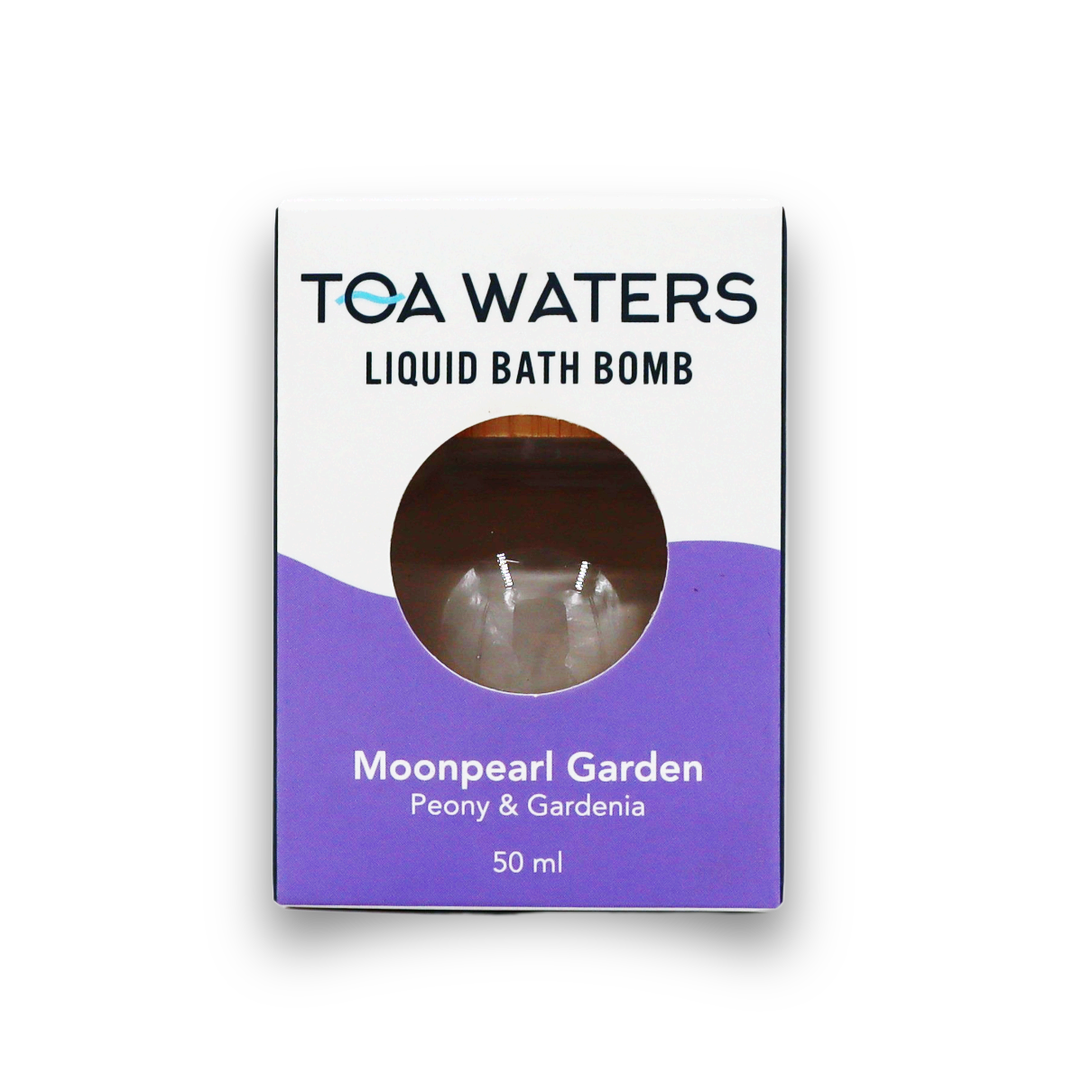
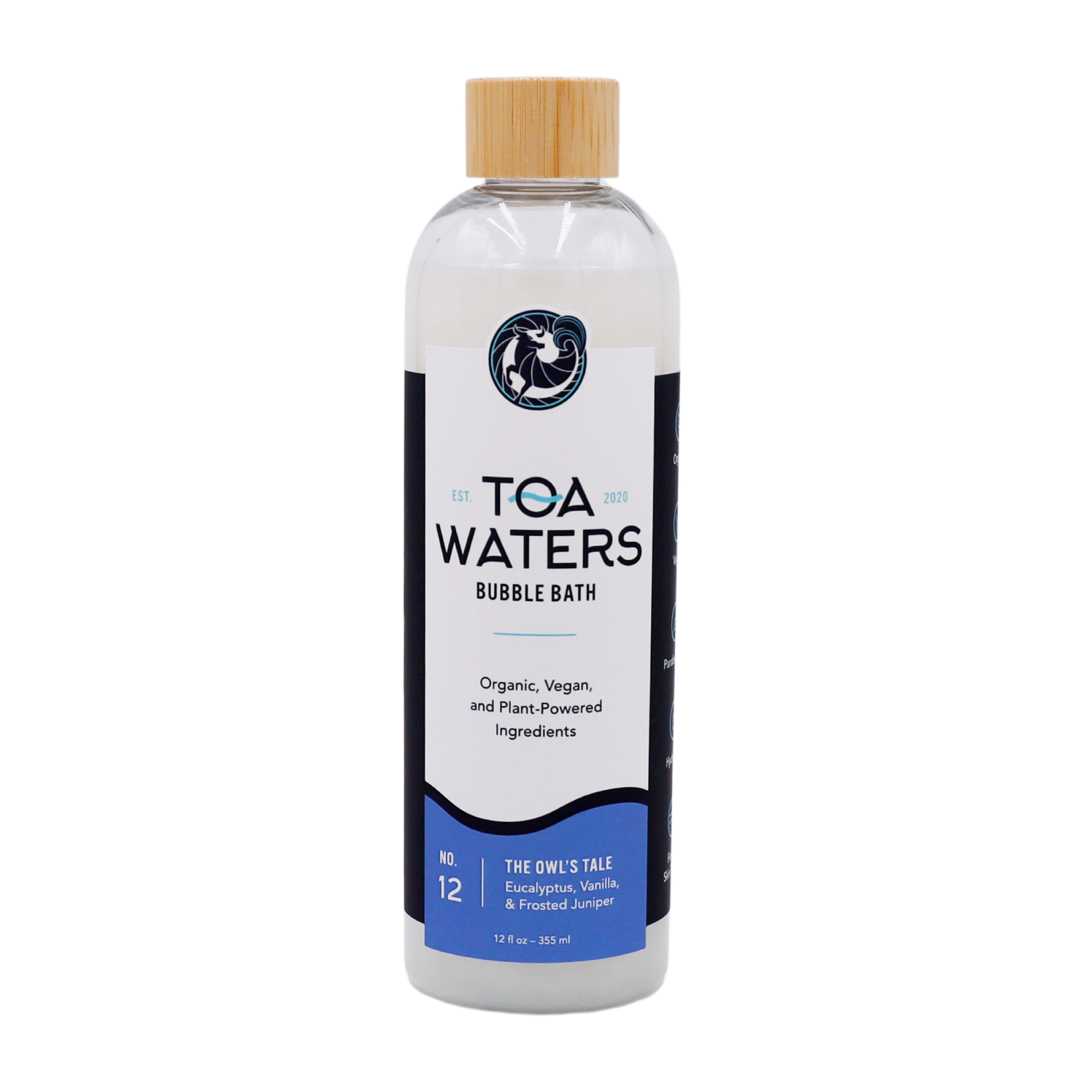
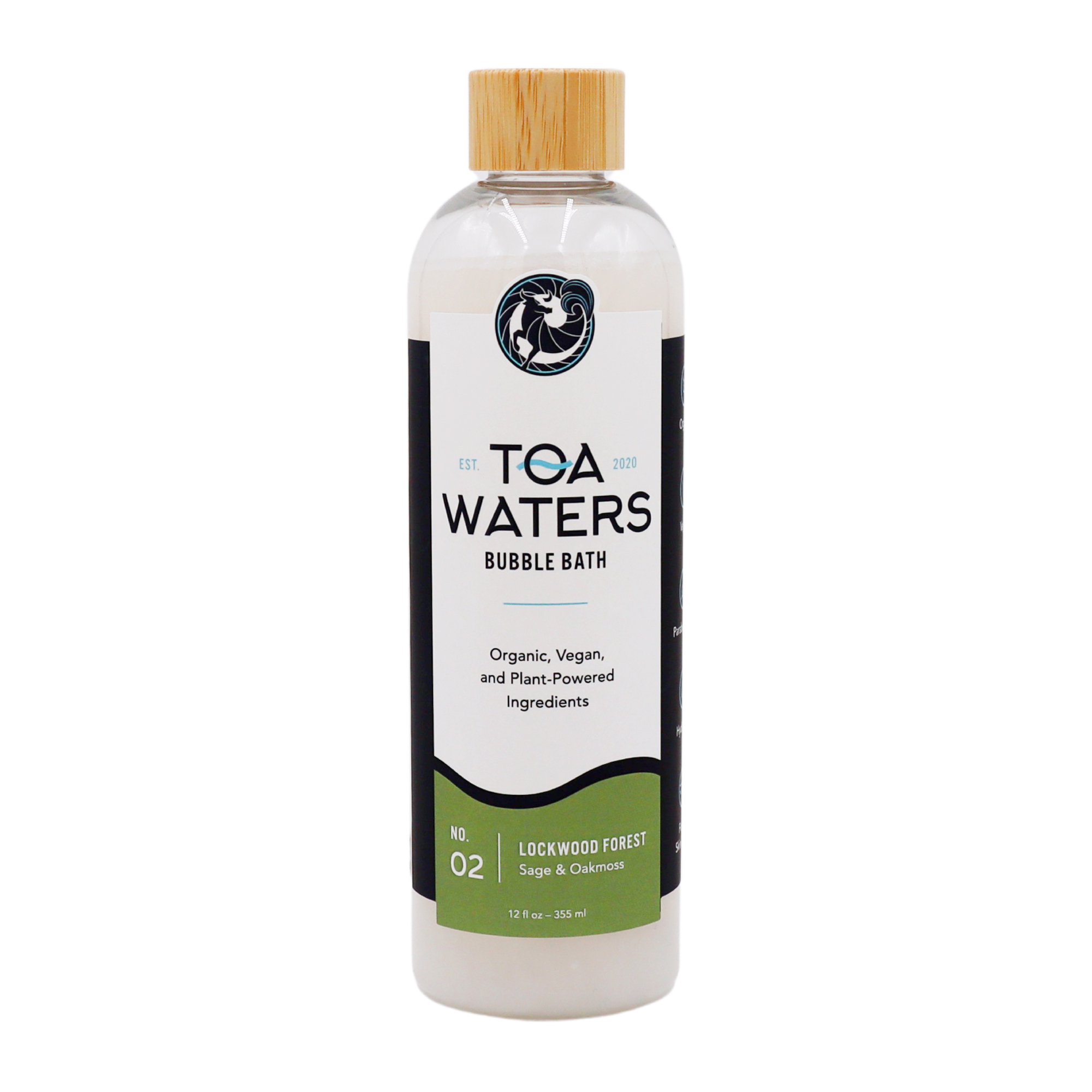
- Choose a bubble bath you truly love
- Put your phone on silent
- Soak without rushing
Simple. Intentional. Timeless.
Final Thought
Bathing culture has evolved for thousands of years, but the reason we soak remains the same. On January 8, 2026, celebrate National Bubble Bath Day by honoring a tradition that’s always been about restoration, ritual, and rest.
Your tub is waiting.