A deep dive into pet-friendly and vet-approved mists
Many of us love a home that smells fresh and inviting. Room sprays are a quick and easy way to eliminate odors, create a relaxing atmosphere, and add a touch of luxury to everyday life. But if you share your home with dogs, cats, birds, or other pets, there's an important question worth asking:
Is your room spray actually safe for your furry family members?
While many home fragrance products are marketed as natural or harmless, certain ingredients can cause irritation or even pose health risks to pets. Understanding what to look for can help you create a home that smells wonderful while keeping your companions safe and comfortable.
Why Pets React Differently Than Humans
Pets experience scents very differently than we do. Dogs can have up to 300 million scent receptors in their noses, compared to about 6 million in humans. Cats also possess highly sensitive respiratory systems and unique metabolic processes that can make them more vulnerable to certain chemicals.
Because pets are smaller and spend more time close to floors, furniture, bedding, and other surfaces where fragrance particles settle, they may experience higher exposure levels than people.
What smells pleasant to us may be overwhelming or irritating to them.
Ingredients Pet Owners Should Watch For
Not all room sprays are created equal. Some ingredients deserve extra scrutiny if you have pets at home.
1. Essential Oils
Many consumers assume essential oils are automatically safe because they're natural. However, several essential oils can be toxic to pets, particularly cats.
Examples that may cause concern include:
- Tea tree oil
- Eucalyptus oil
- Pennyroyal oil
- Wintergreen oil
- Cinnamon oil
- Clove oil
- Citrus oils in high concentrations
Cats are especially sensitive because their livers cannot efficiently process certain compounds found in essential oils.
2. Volatile Organic Compounds (VOCs)
Some room sprays contain synthetic fragrance ingredients that release VOCs into the air. High concentrations of VOCs may contribute to respiratory irritation in both humans and pets.
Symptoms can include:
- Coughing
- Sneezing
- Watery eyes
- Difficulty breathing
- General discomfort
3. Aerosol Propellants
Aerosol sprays can create fine particles that remain suspended in the air longer. Pets may inhale these particles, increasing the likelihood of respiratory irritation.
Non-aerosol room sprays are often a gentler alternative.
Signs Your Pet May Be Sensitive to a Room Spray
If you've recently introduced a new fragrance product, watch for changes in your pet's behavior.
Potential warning signs include:
- Excessive sneezing
- Coughing
- Runny eyes
- Drooling
- Lethargy
- Vomiting
- Avoiding certain rooms
- Difficulty breathing
If you notice any concerning symptoms, discontinue use immediately and consult your veterinarian.
What Veterinarians Generally Recommend
Veterinary professionals typically recommend taking a cautious approach to scented products around pets.
General best practices include:
- Use products in well-ventilated spaces.
- Allow sprays to settle before pets re-enter the room.
- Avoid spraying directly onto pet bedding, toys, food bowls, or litter areas.
- Choose products with transparent ingredient lists.
- When in doubt, consult your veterinarian.
The American Society for the Prevention of Cruelty to Animals (ASPCA) offers valuable guidance on substances that may be harmful to pets. You can learn more at https://www.aspca.org/pet-care/animal-poison-control.
How to Choose a More Pet-Friendly Room Spray
When shopping for a room spray, consider the following qualities:
- Non-aerosol application
- Clear ingredient disclosure
- No harsh chemical propellants
- Moderate scent strength
- Responsible fragrance formulation
Remember that even pet-conscious products should be used responsibly. No fragrance product should be sprayed directly on animals or used excessively in enclosed spaces.
Creating a Fresh-Smelling Home Without Compromising Pet Safety
Sometimes the best odor control strategy starts with the basics:
- Regular vacuuming
- Washing pet bedding frequently
- Maintaining litter boxes
- Using air purifiers
- Opening windows when the weather permits
These habits can reduce odors naturally and minimize the need for heavy fragrance use.
The Bottom Line
Room sprays can be a wonderful addition to your home, but pet owners should take a closer look at what's inside the bottle. Certain ingredients, including some essential oils and synthetic fragrance compounds, may not be suitable for every animal.
The safest approach is to choose thoughtfully formulated products, use them in moderation, ensure proper ventilation, and always pay attention to how your pet responds.
After all, a home doesn't just need to smell good. It should feel safe and comfortable for every member of the family, including the four-legged ones.
Looking for a Better Home Fragrance Experience?
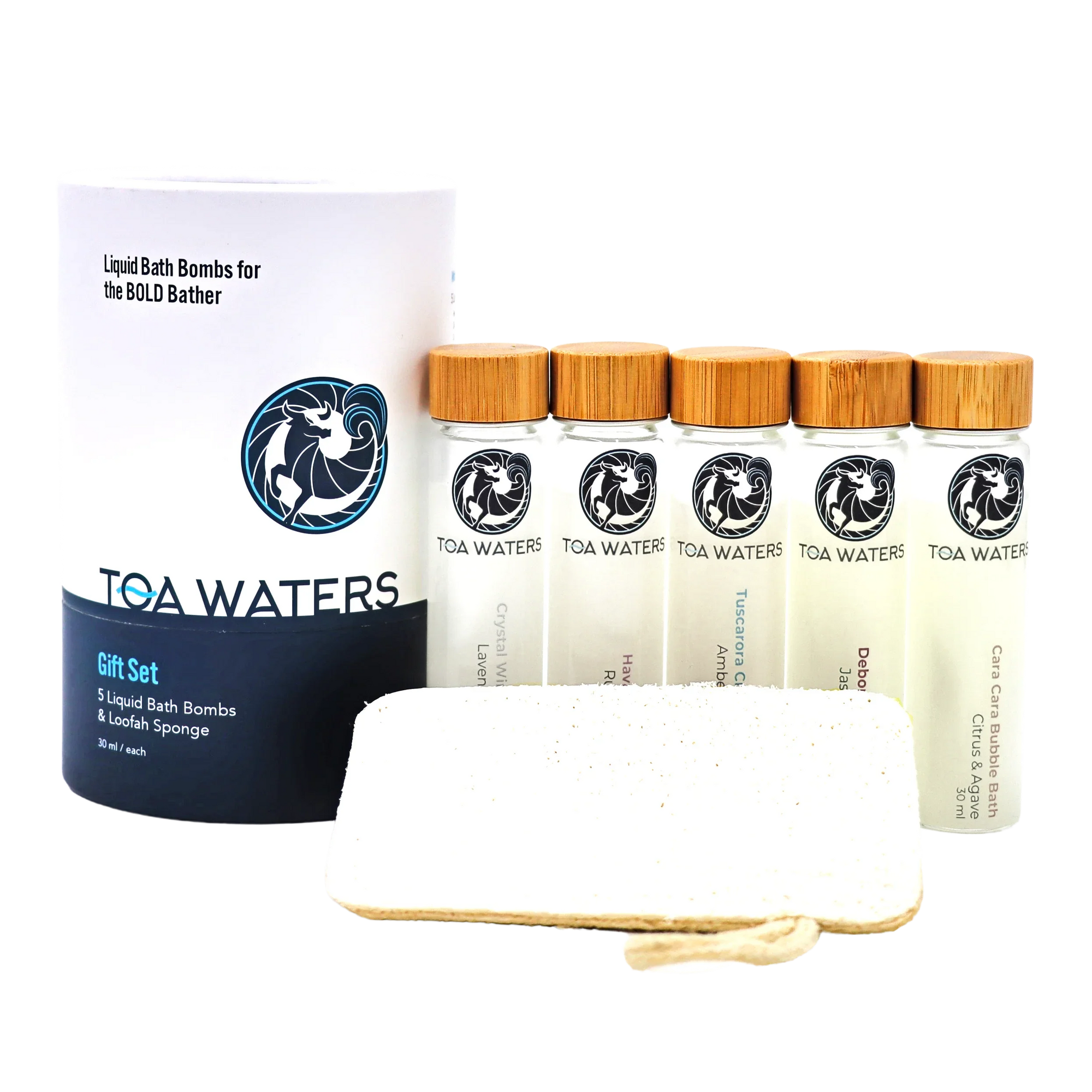
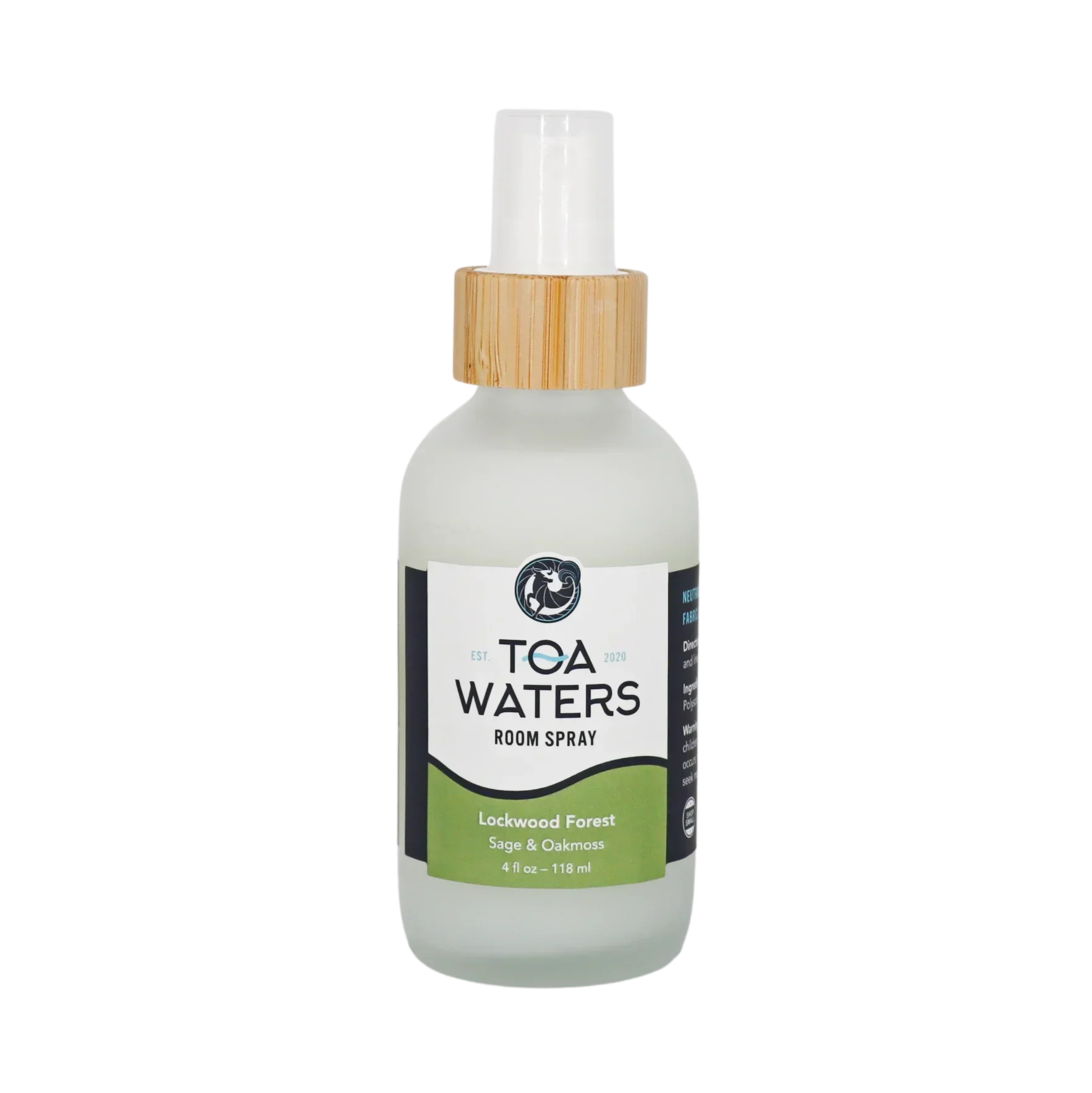
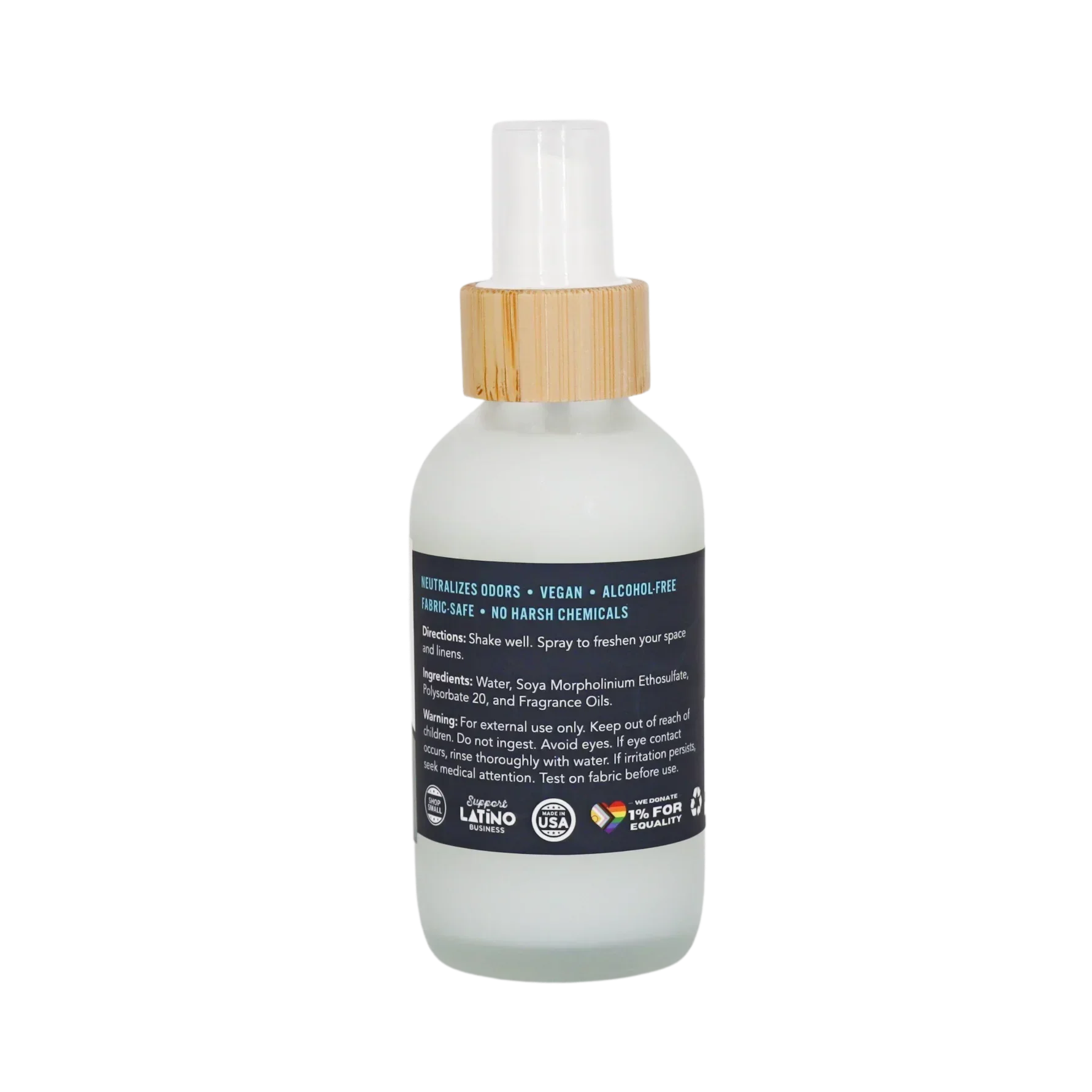
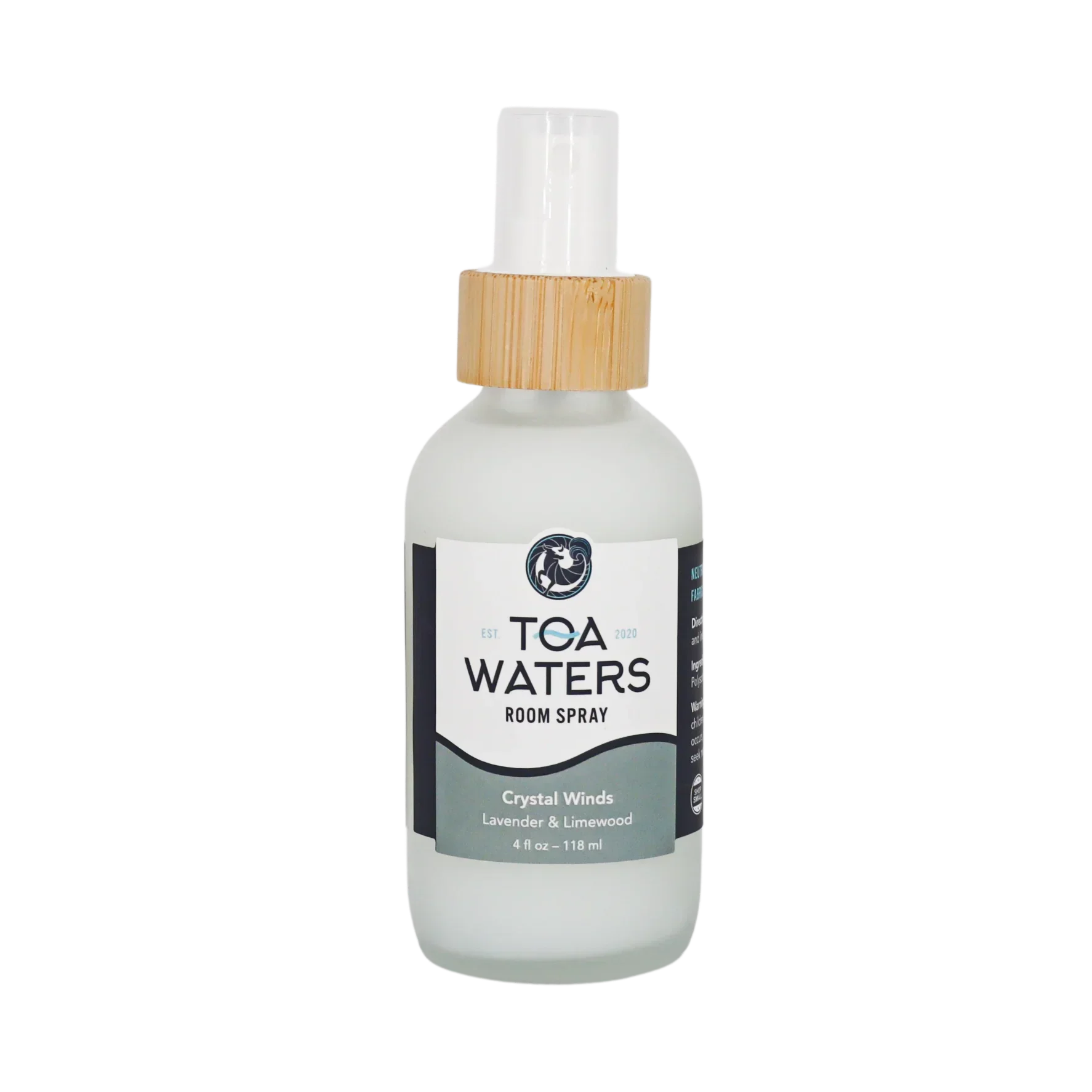
TOA Waters room sprays are designed to help create a fresh, inviting atmosphere inspired by nature, adventure, and self-care. Explore our collection and discover scents crafted to transform your space into a place you'll love coming home to.
Shop TOA Waters Room Sprays today and find your new favorite scent.