In 2026, the world is louder than ever, and a new travel movement has emerged in response: the "quietcation." Defined as vacations centered around reduced noise, calm, and space to breathe, the quietcation—often referred to as "hushpitality"—is about choosing states of mind rather than just destinations. But you don't have to book a flight to South Caicos or Japan to experience this restorative stillness. You can bring the 2026 quiet travel trend directly into your home by transforming your bathroom into a personal sanctuary.
The Rise of Hushpitality
According to reports for 2026, quiet travel is a movement toward escaping the constant buzz of connectivity and digital distractions.
Travelers are increasingly seeking restorative immersion, such as nature immersion retreats (67%) and meditation or silent retreats (56%), to dial down distractions and genuinely reset. By applying these principles to your bathroom, you create a space where your environment naturally softens your nervous system.
Step-by-Step: Your At-Home Quietcation Guide
Transforming your bathroom into a high-end "quietcation" destination requires a focus on sensory immersion and the elimination of "visual noise."
1. Master the "Digital Air Gap"
The core of any quietcation is ditching technology. Make your bathroom a strictly phone-free zone. Escaping the noise from content, social media, and constant connectivity is essential to achieving the quietude your nervous system craves.
2. Layer Your Lighting for Tranquility
- Soft, Earthy Tones: Choose soft neutrals like beige, taupe, or sky blue for your textiles and walls to evoke the ocean or a clear sky.
- The Candle Glow: In 2026, lighting is a mood cue. Trade harsh overhead LEDs for the warm flicker of real or LED candles and dimmable sconces.
- Circadian Alignment: For an evening reset, use warmer color temperature lighting (2700–3000K) to signal your brain that it is time for relaxation.
3. Prioritize Nature Immersion
Nature does the heavy lifting in quietcations. Bring the outdoors in with plants like philodendrons, ferns, or bamboo that thrive in humid environments. Research indicates that interacting with indoor plants reduces stress and improves mental well-being.
4. Sensory "Anchors" for Recovery
- Thermal Comfort: Keep bath water between 98–104°F to avoid fatigue and promote recovery.
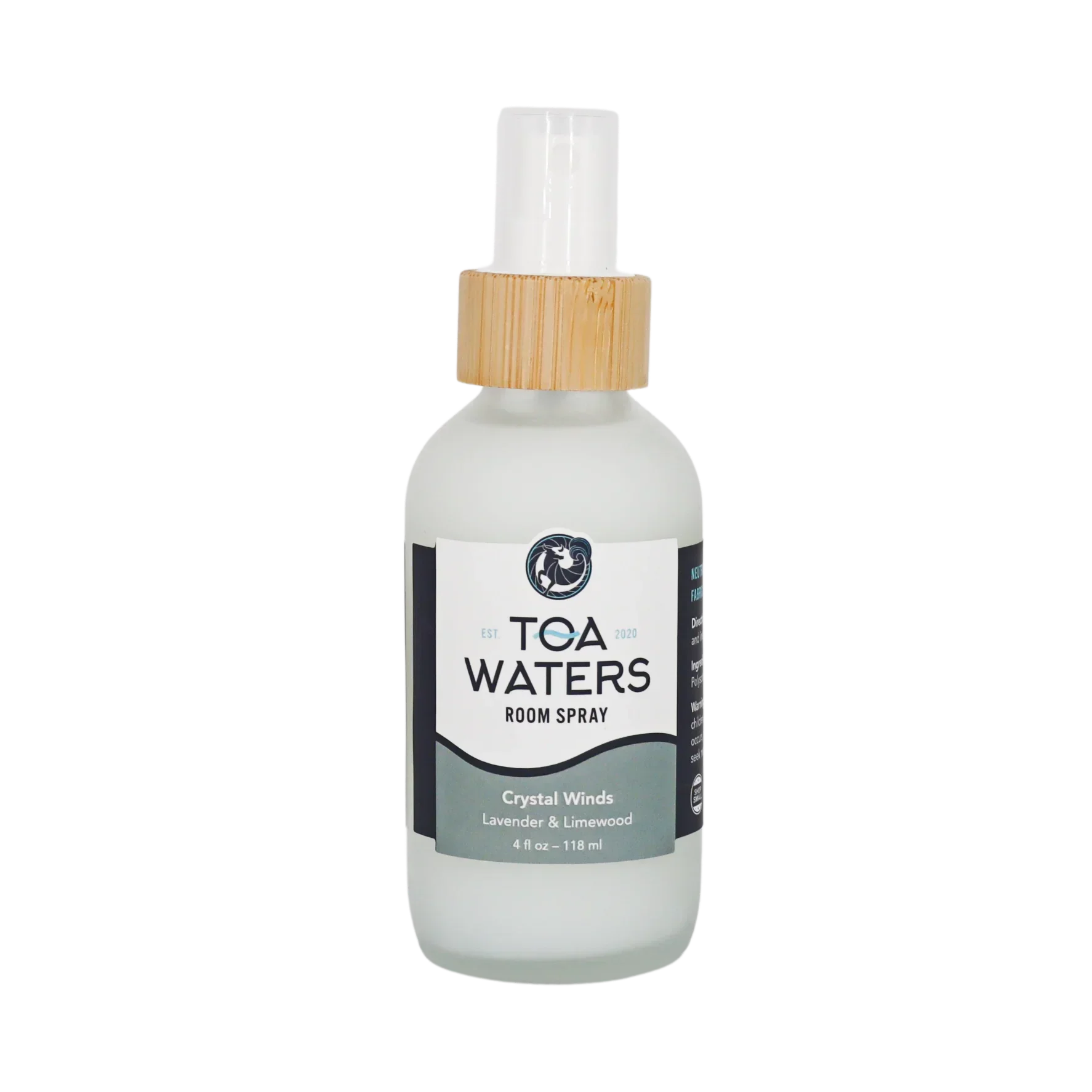
- Aromatherapy: Use a diffuser or essential oils like lavender, eucalyptus, or sandalwood. These scents are scientifically proven to promote relaxation and stress relief.
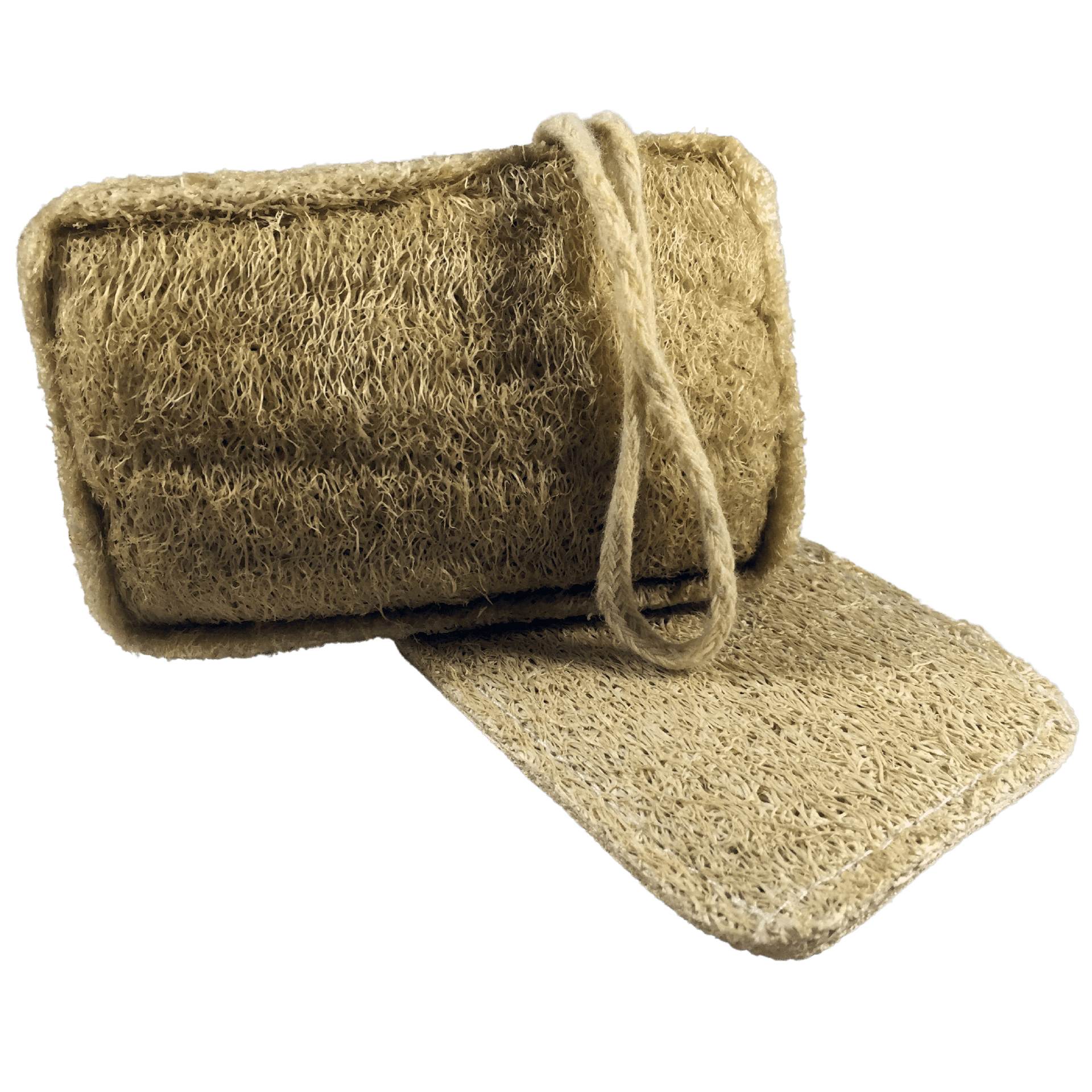
- Plush Textiles: Invest in high-quality Egyptian or Turkish cotton towels and a towel warmer to wrap yourself in comfort immediately after your soak.
The Science of Silence
Creating this space is about biological repair. Spending time in a quiet environment supports memory, emotional regulation, and heart health. Just two minutes of silence can lower heart rate and blood pressure more effectively than listening to "relaxing" music. Regular quiet time reduces cortisol levels, sharpens focus, and can even stimulate the growth of new neurons in the hippocampus, the area of the brain responsible for memory and emotion.
A Daily Ritual for 2026
Longevity and wellness in 2026 are proactive, not reactive. By dedicating even 20 minutes to a quietcation in your bathroom, you are pressing a "reset button" on your nervous system. Leave the world at the door, sink into the silence, and let your bathroom become the ultimate travel destination for your mind.
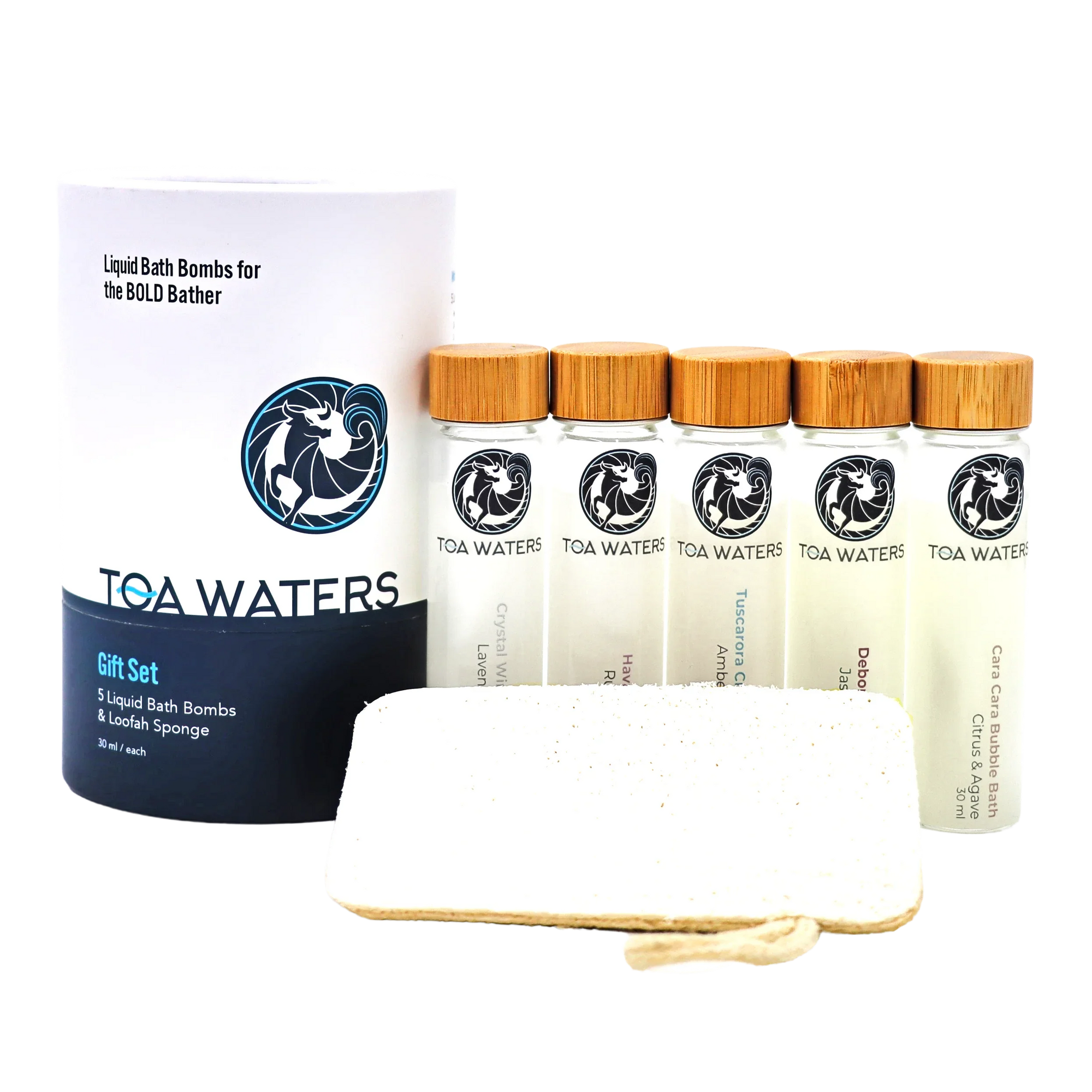
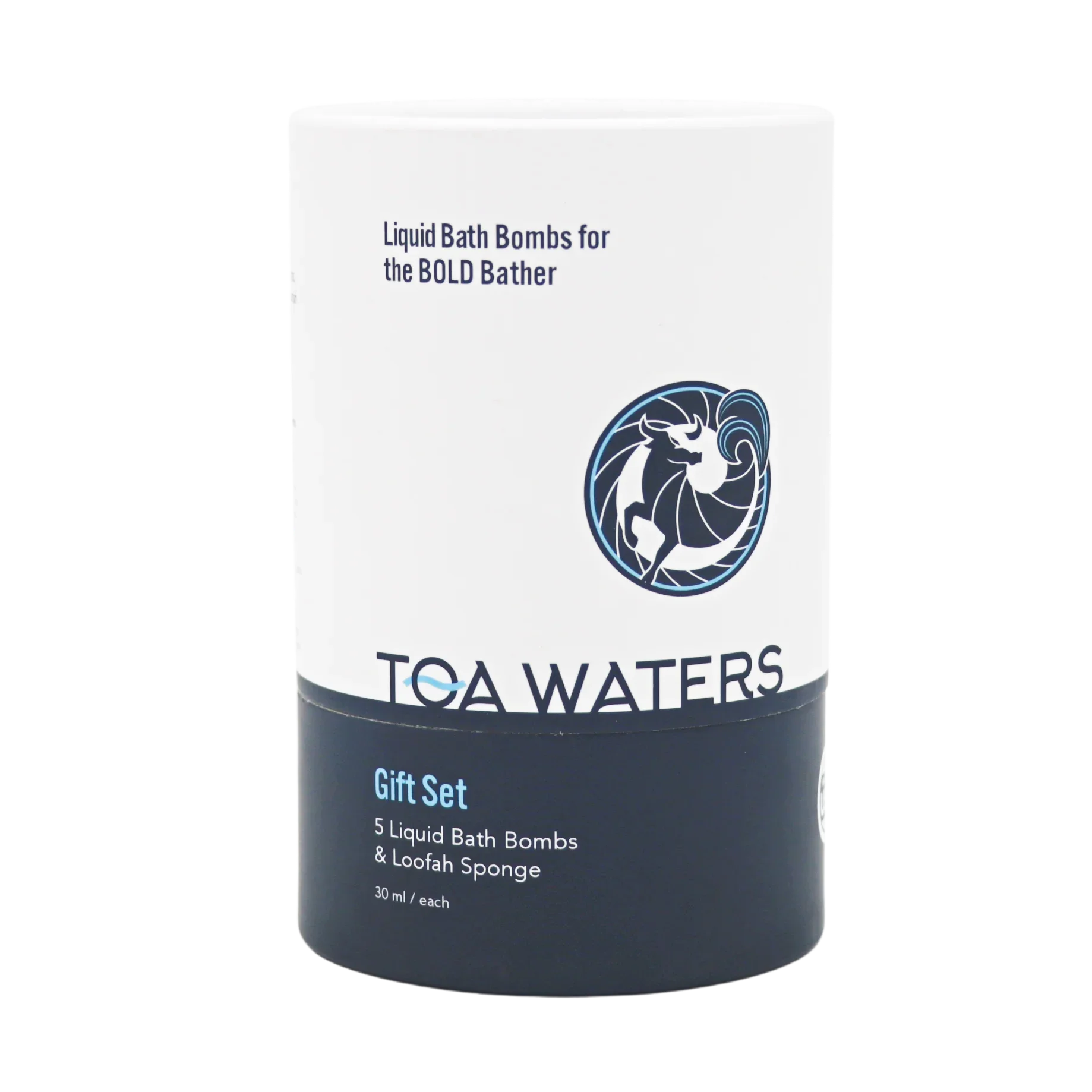
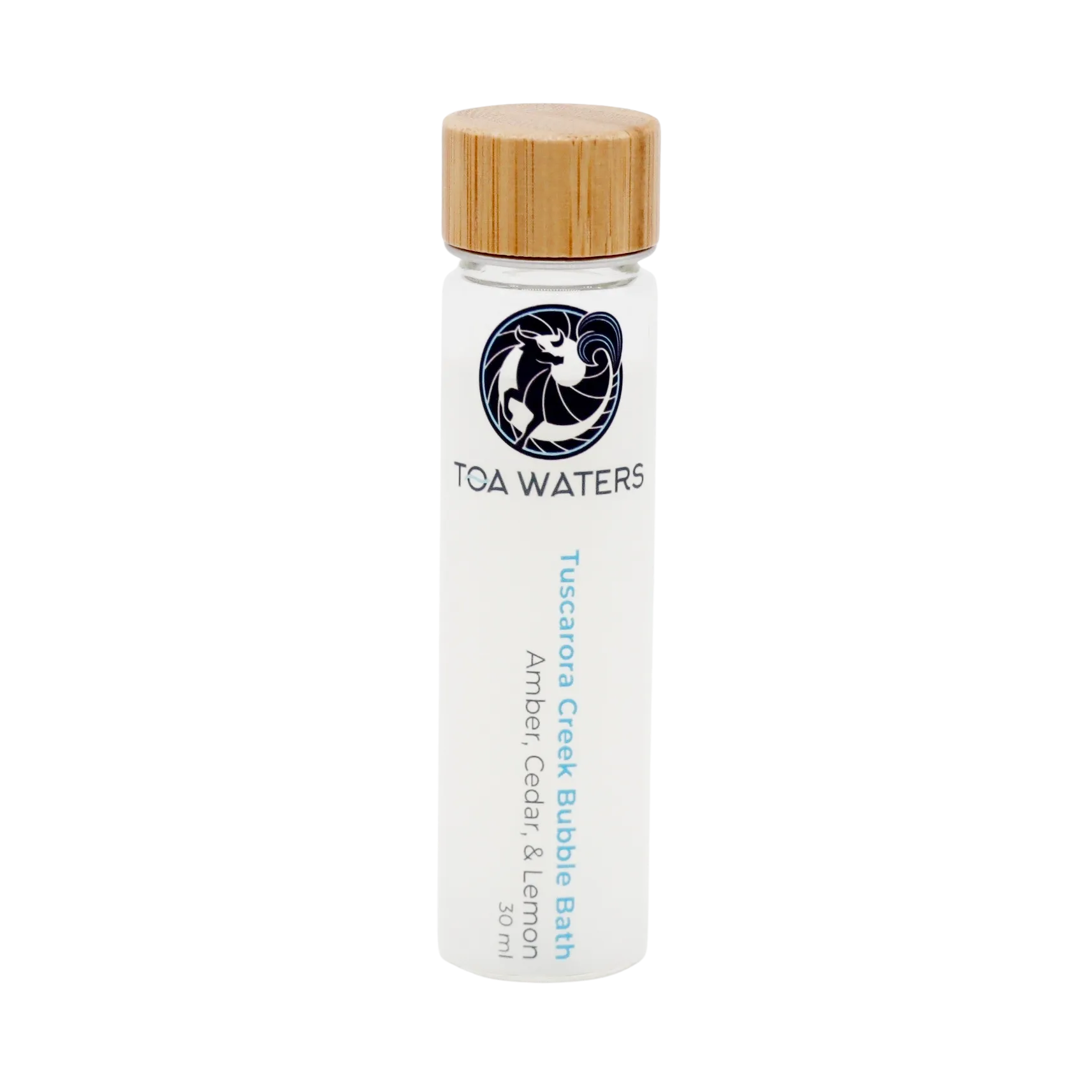
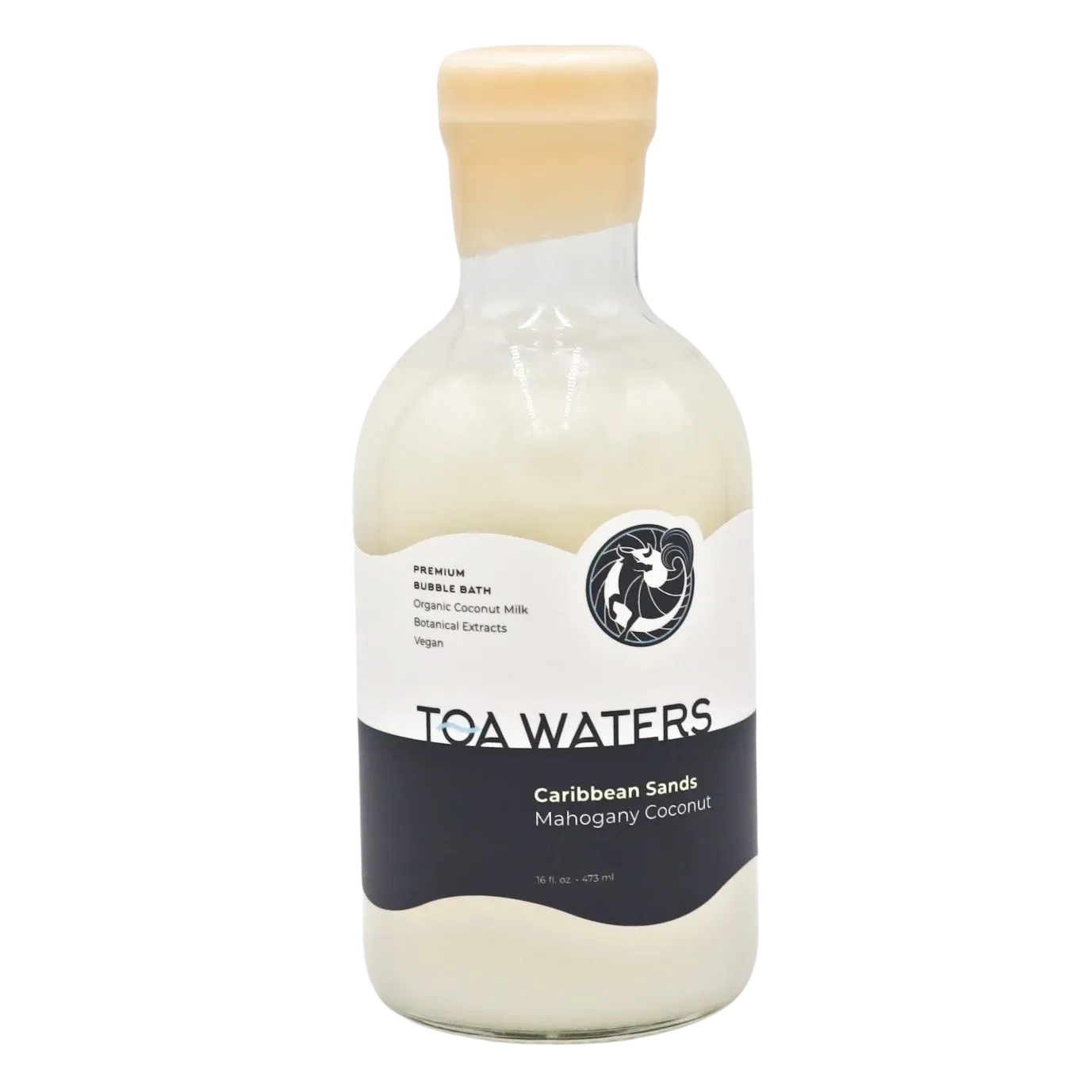
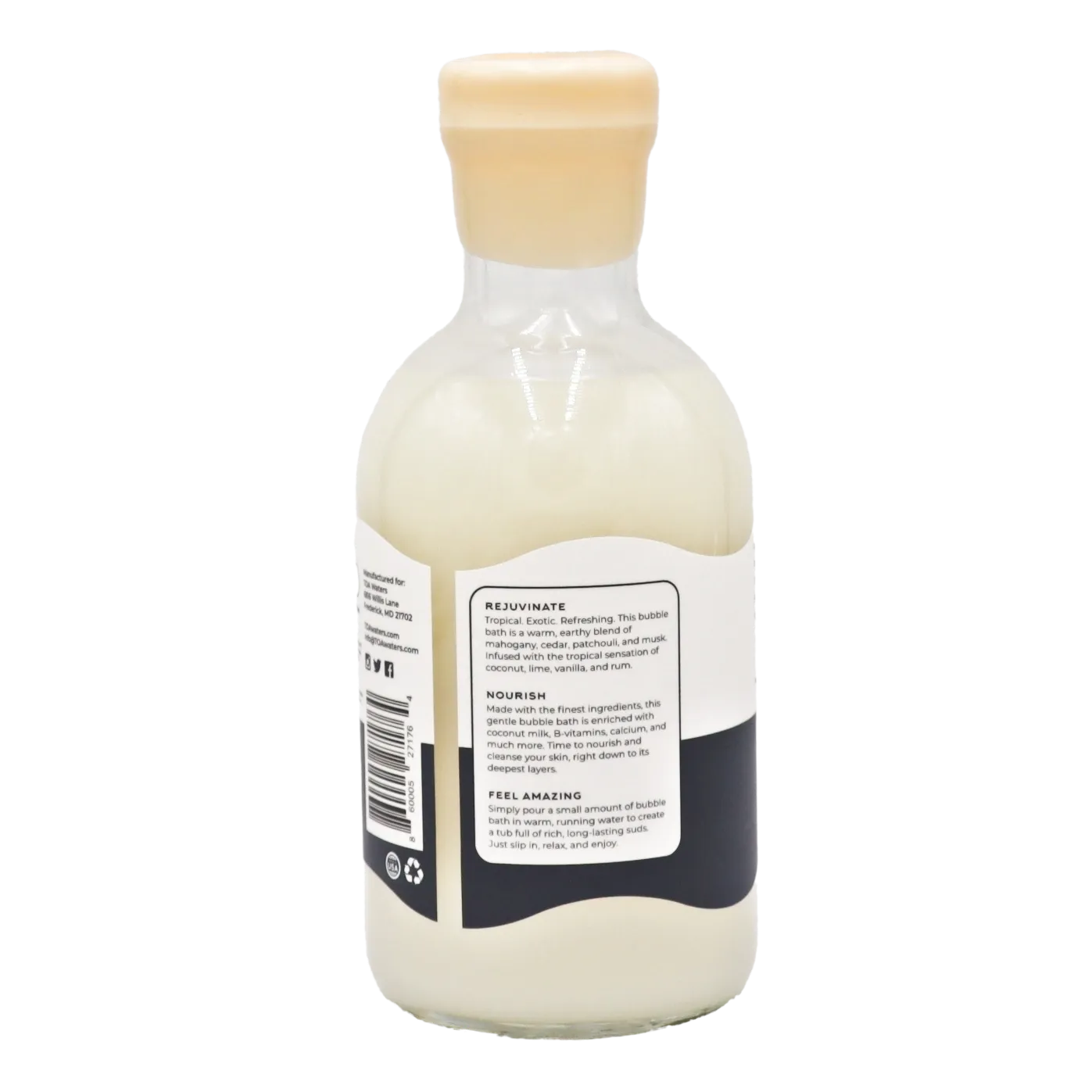
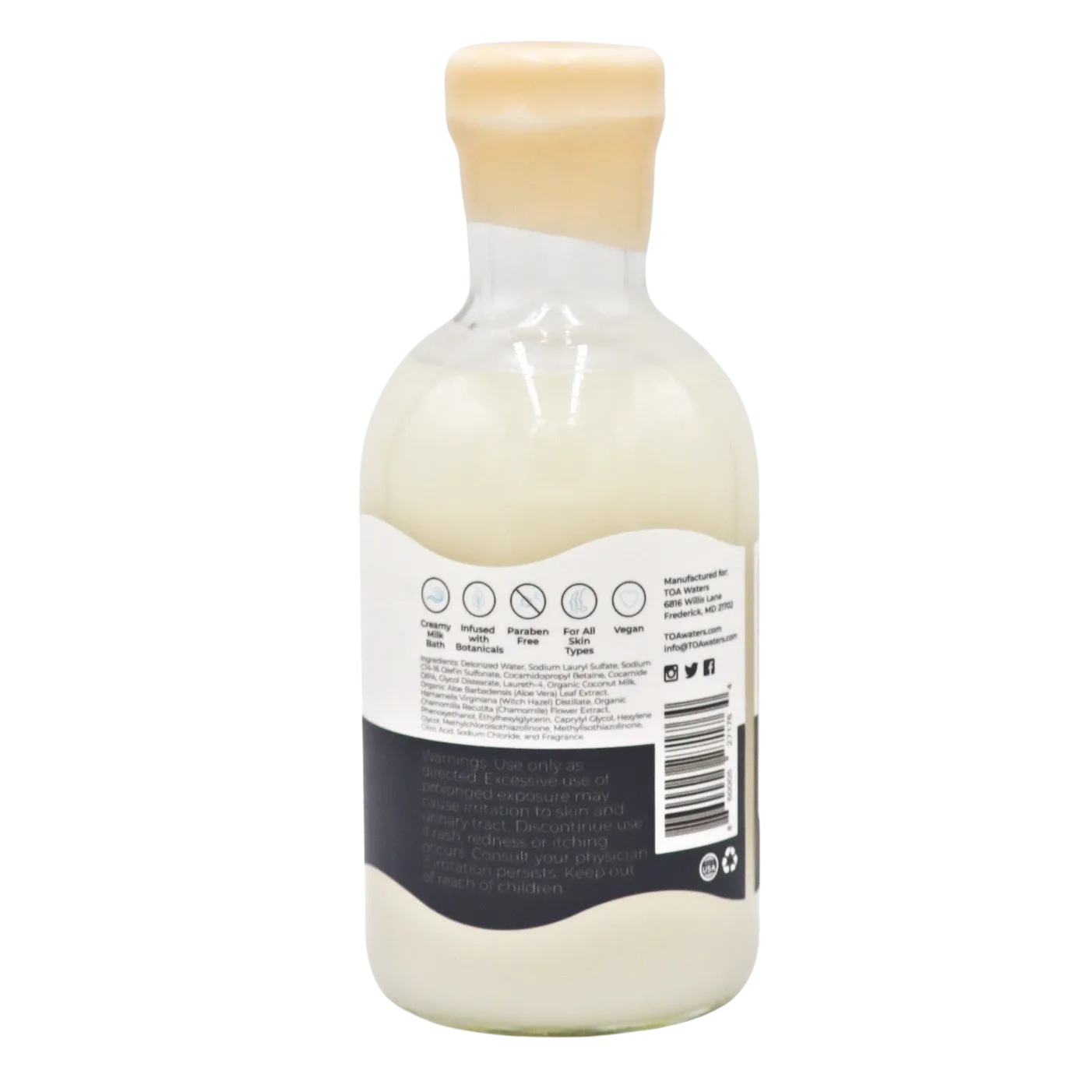
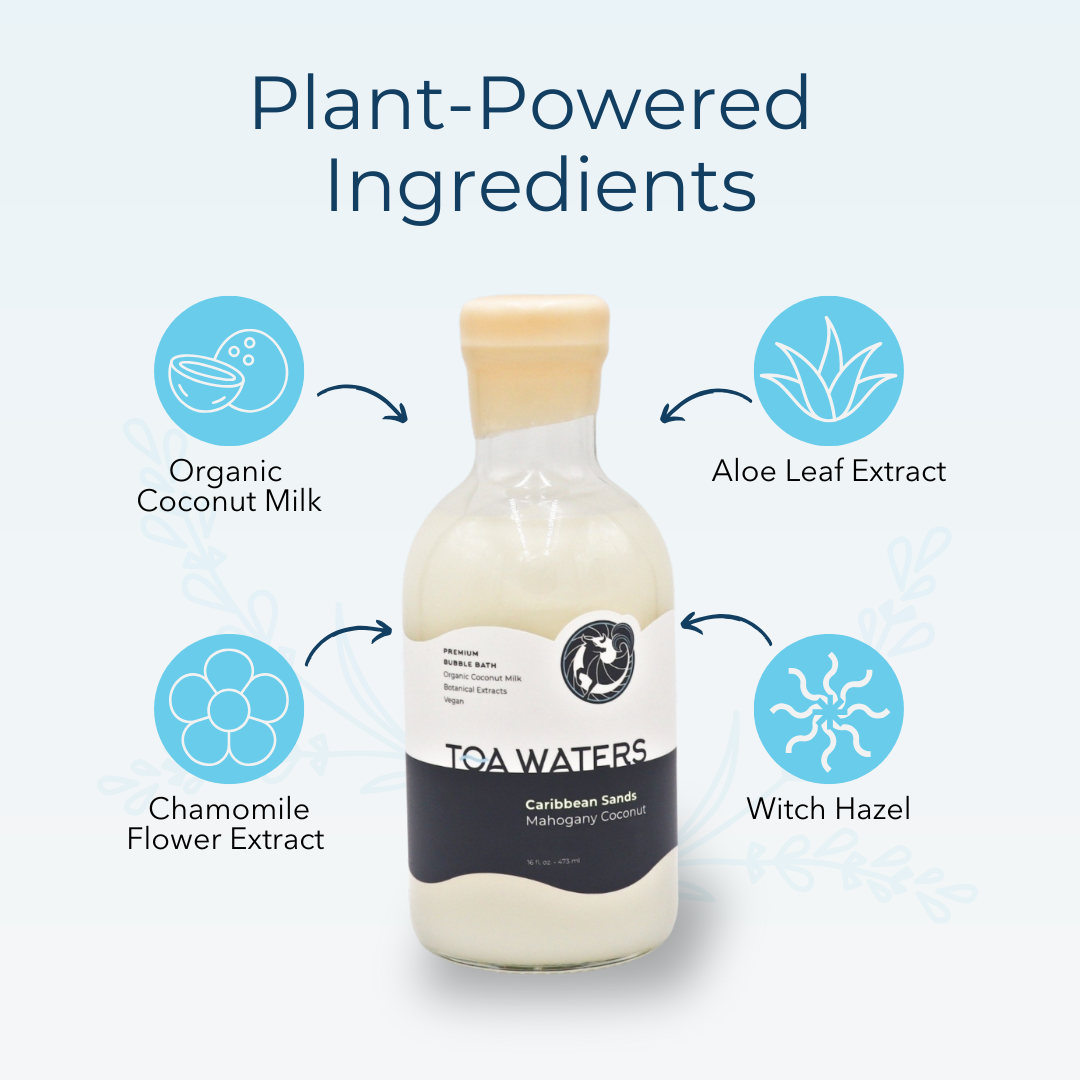
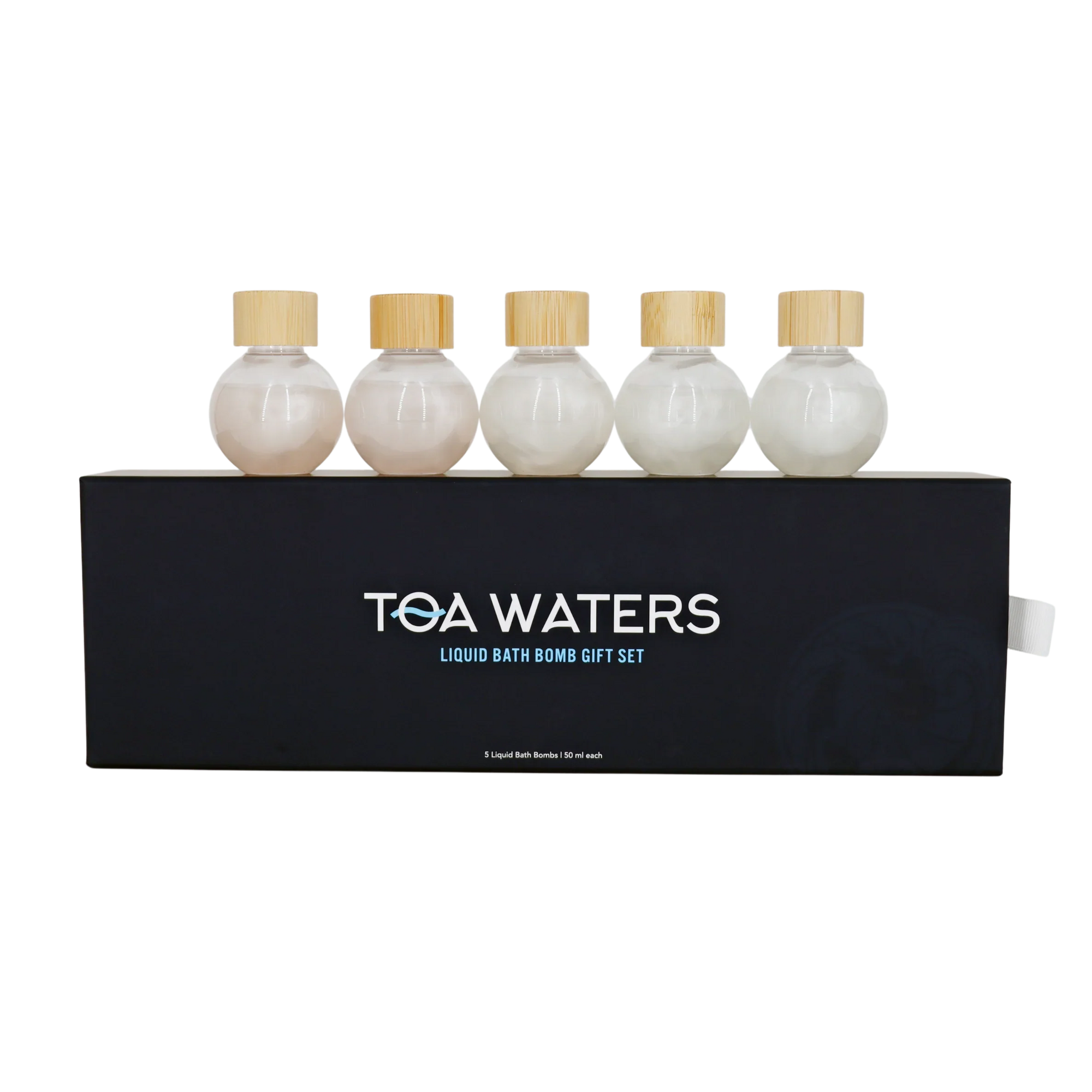
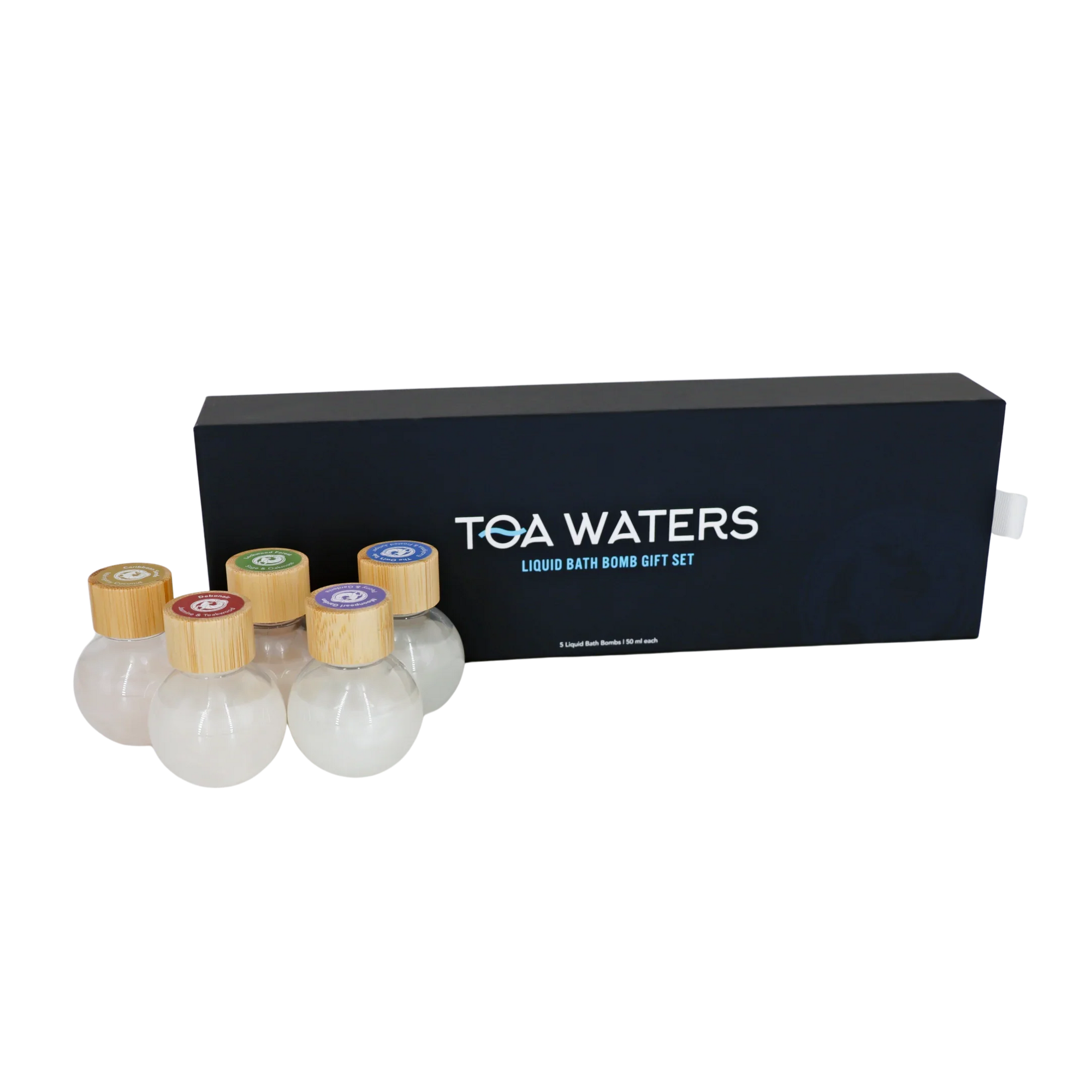
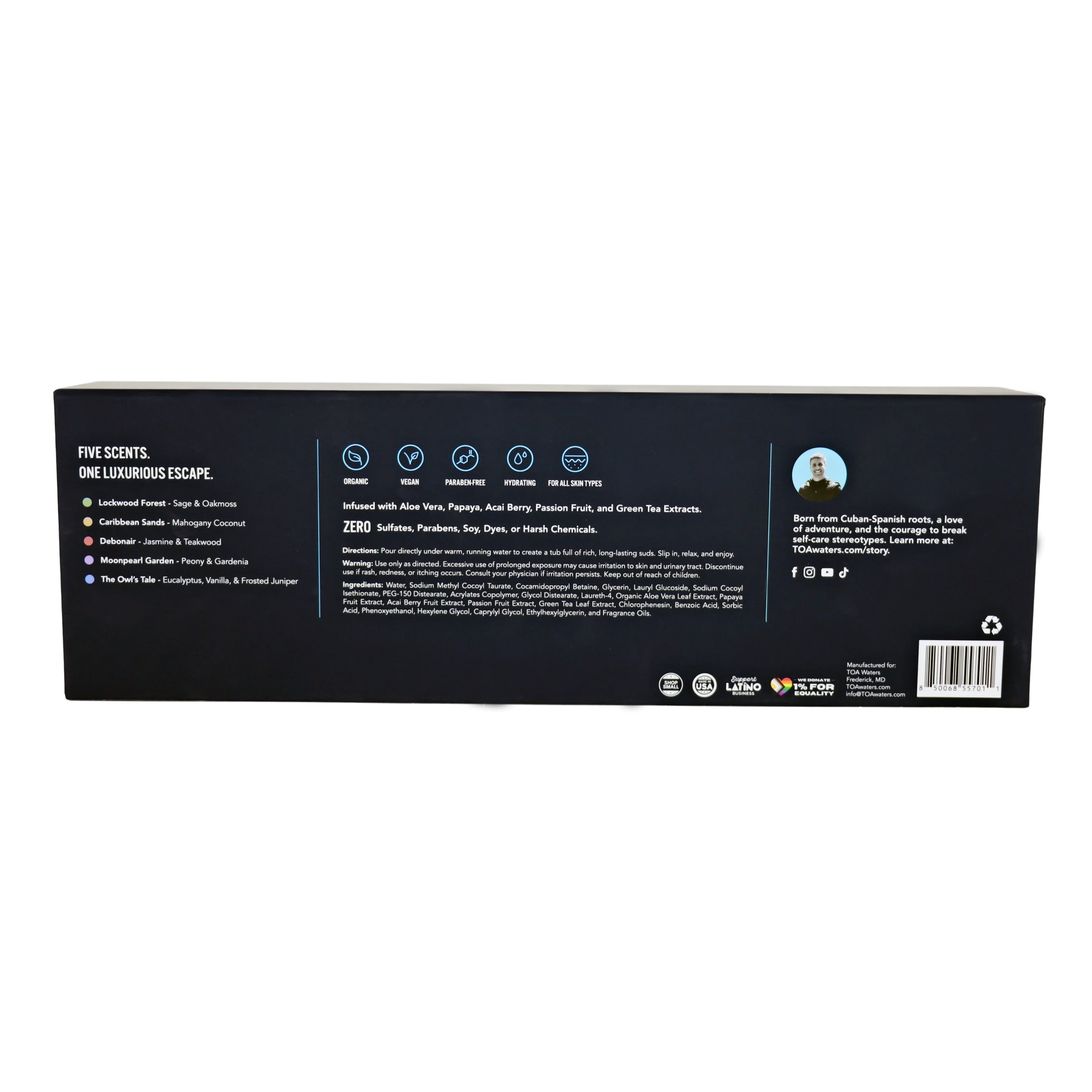
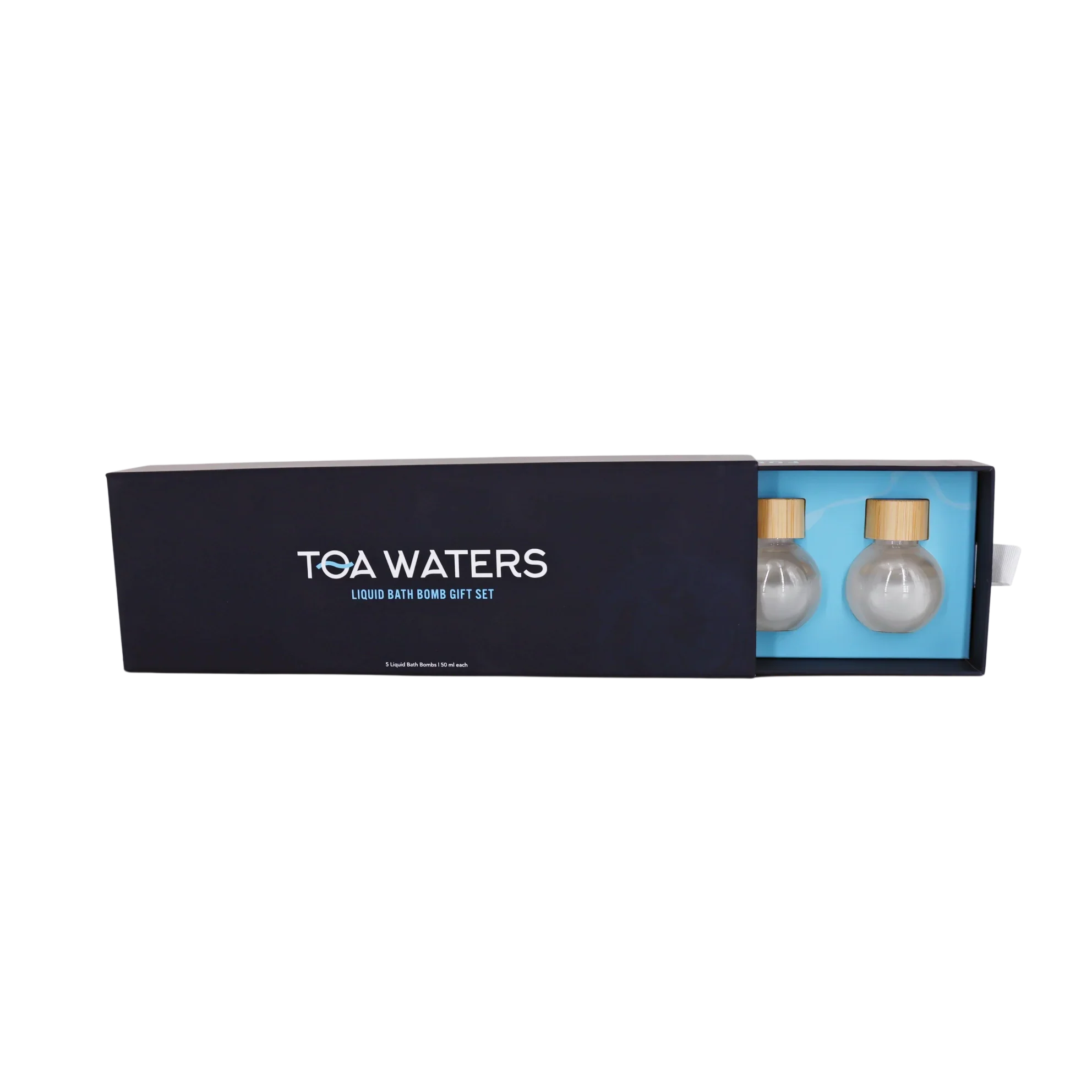
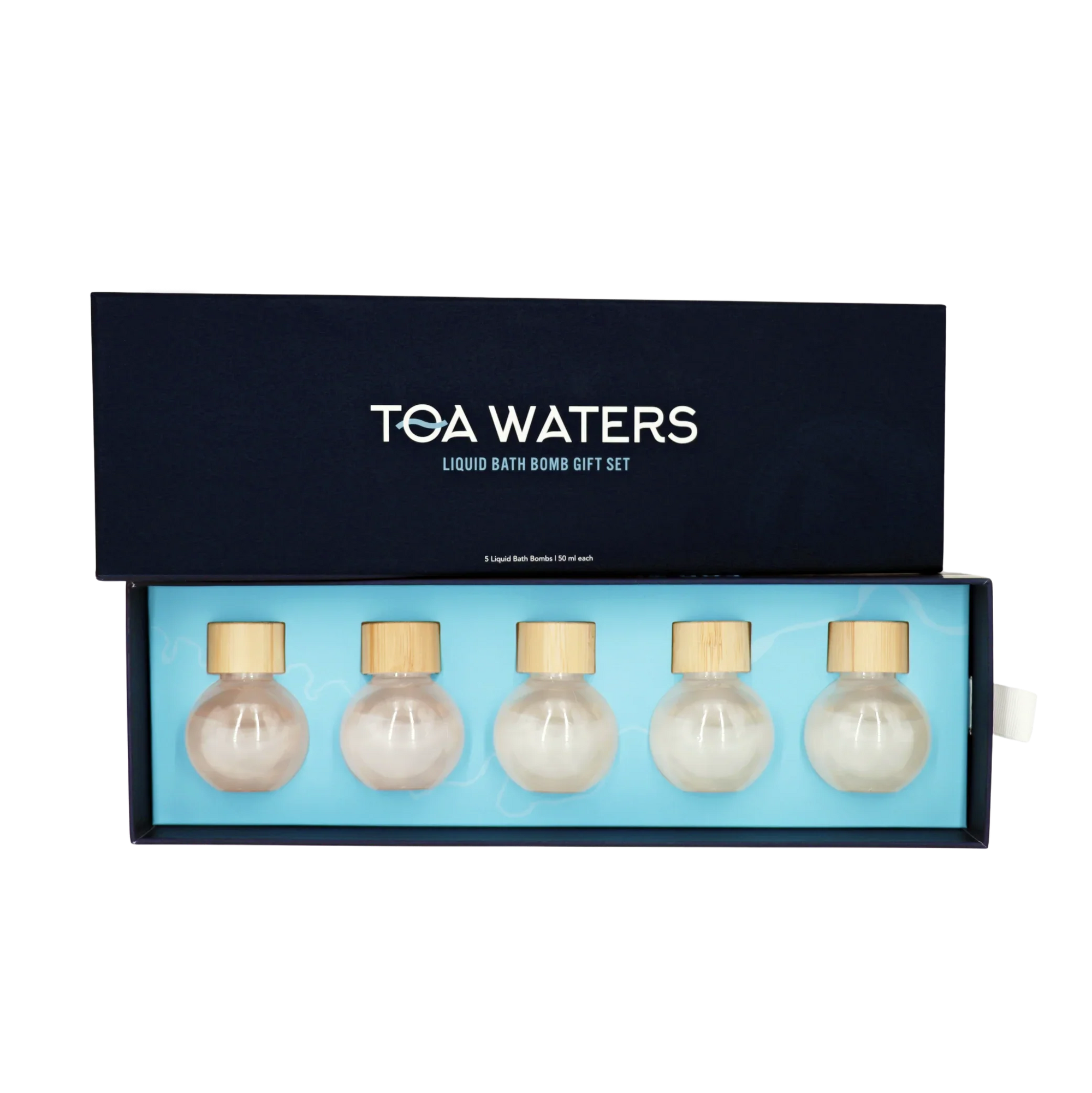
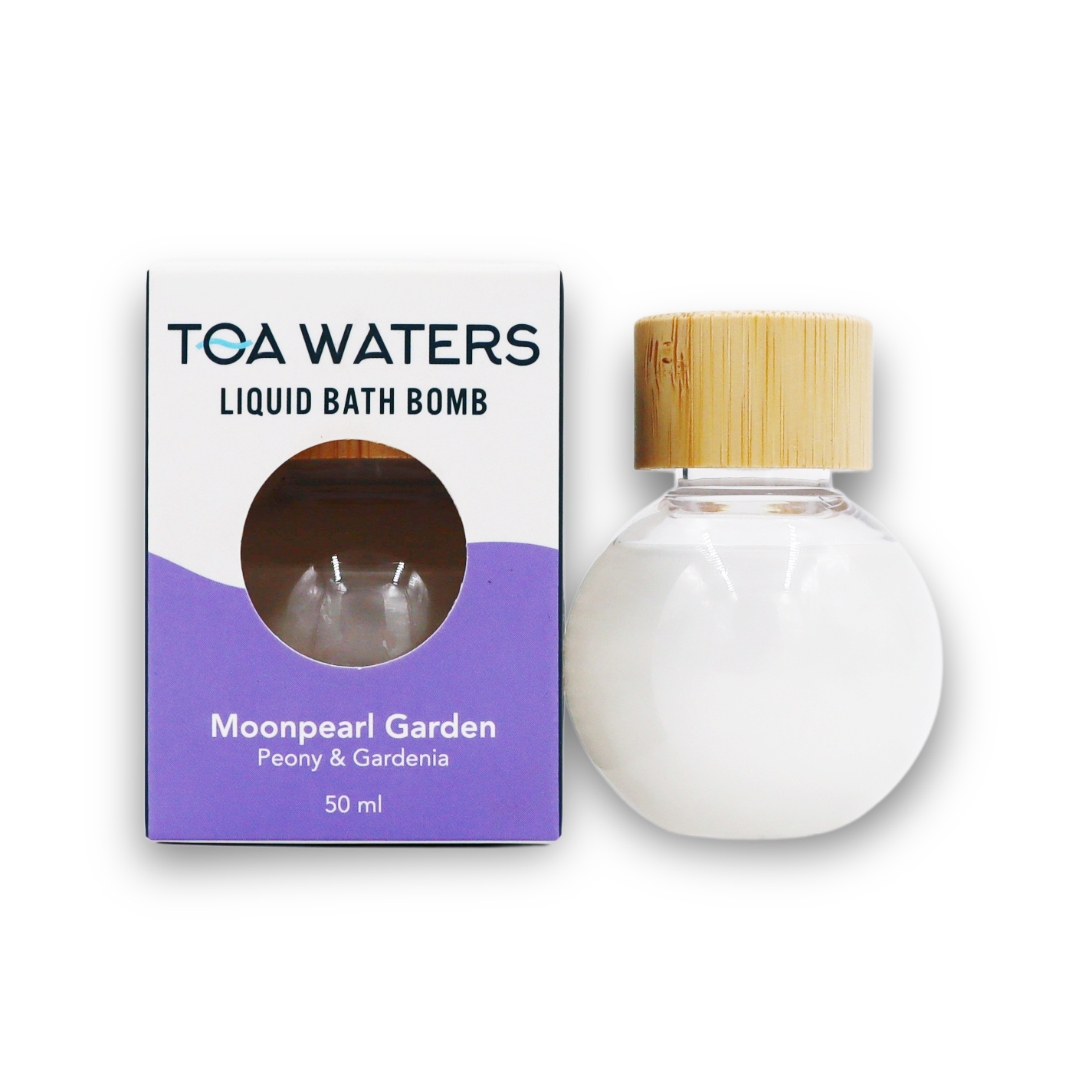
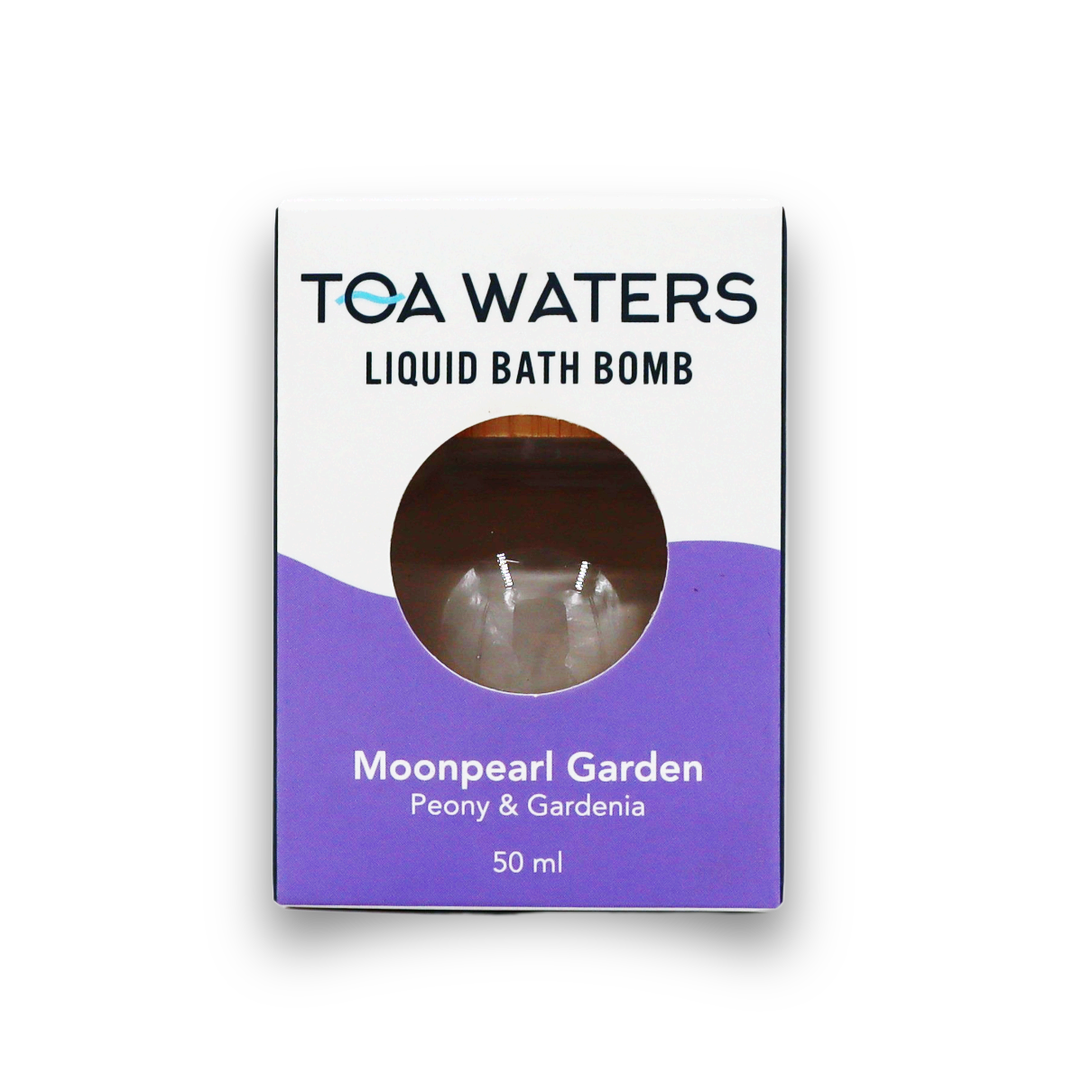
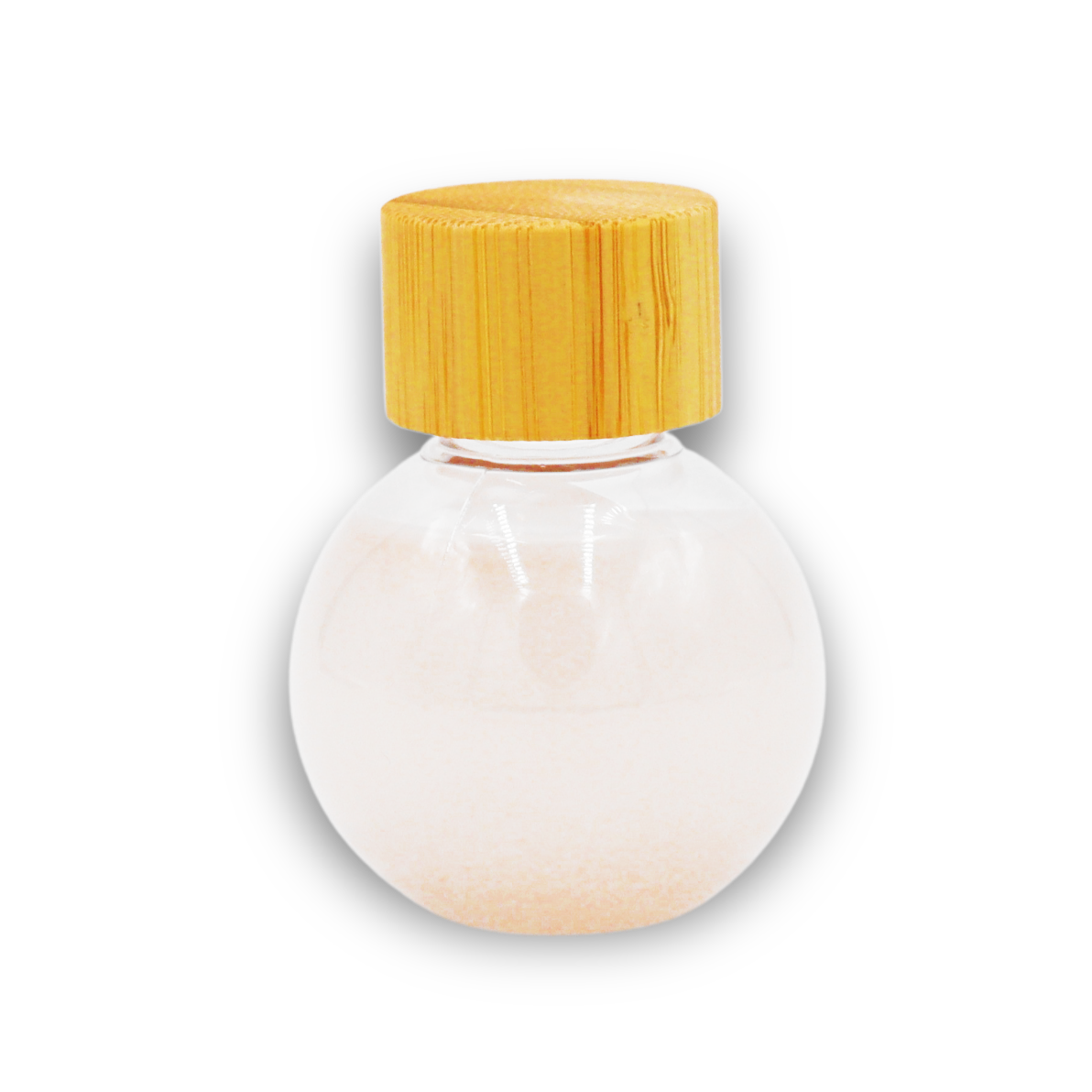
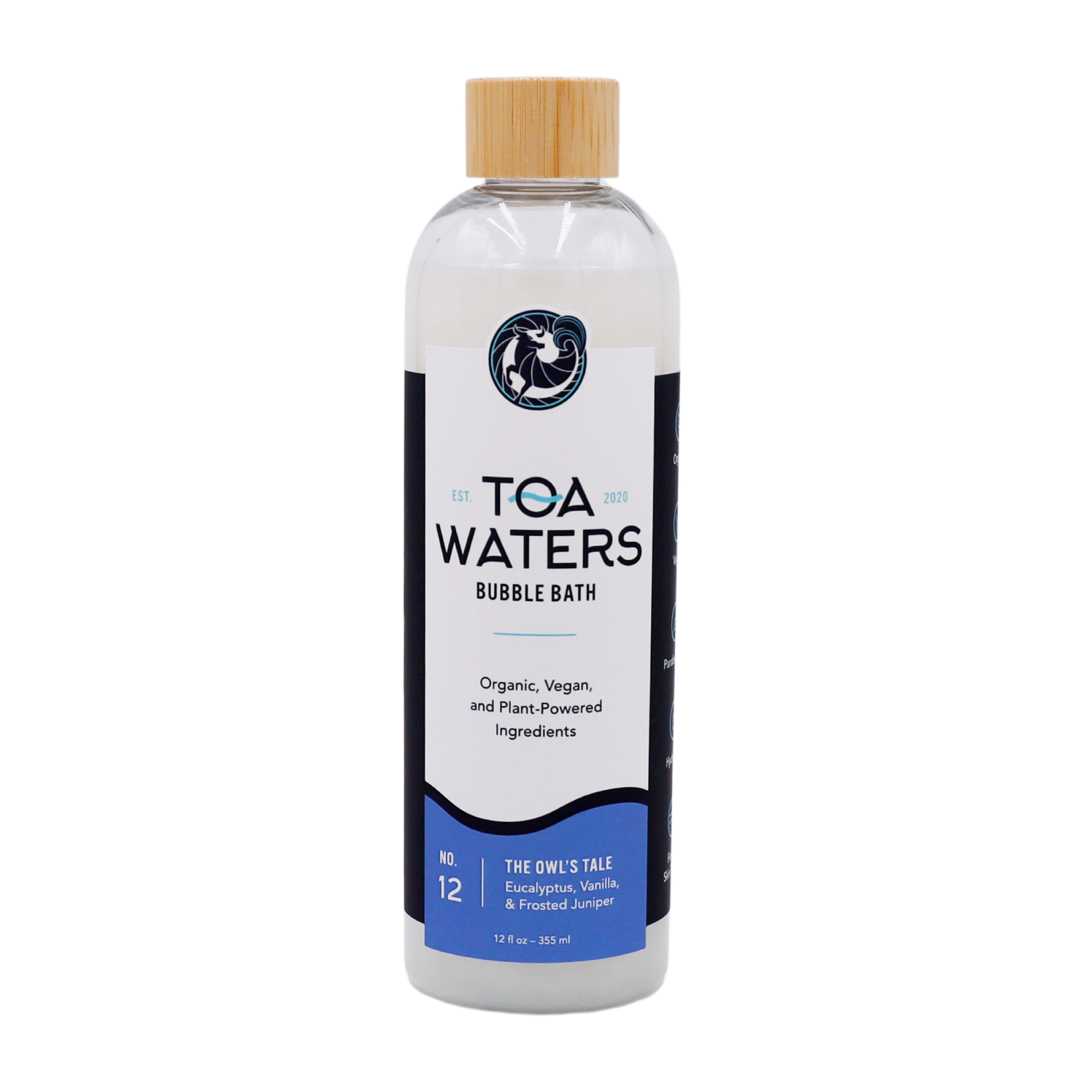
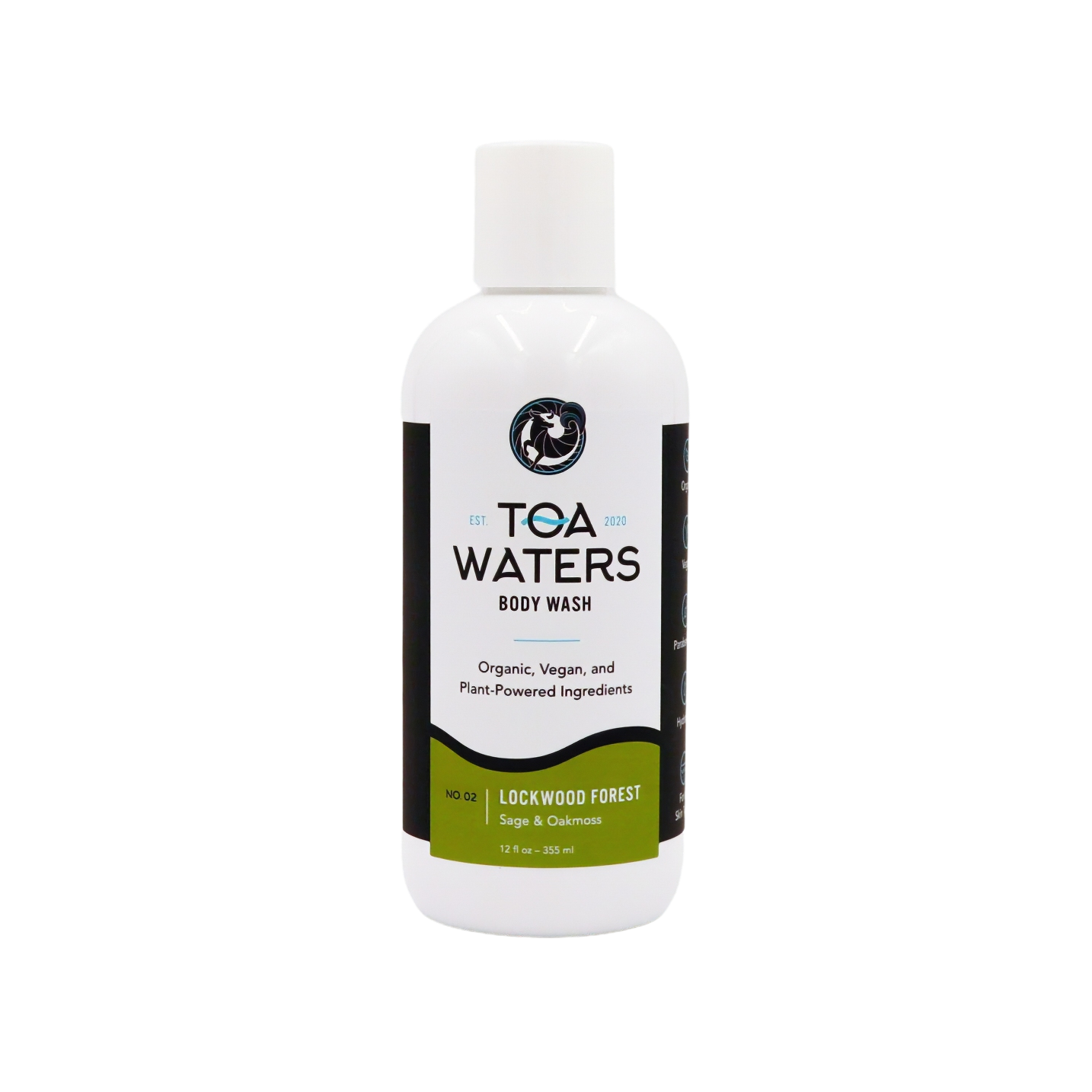
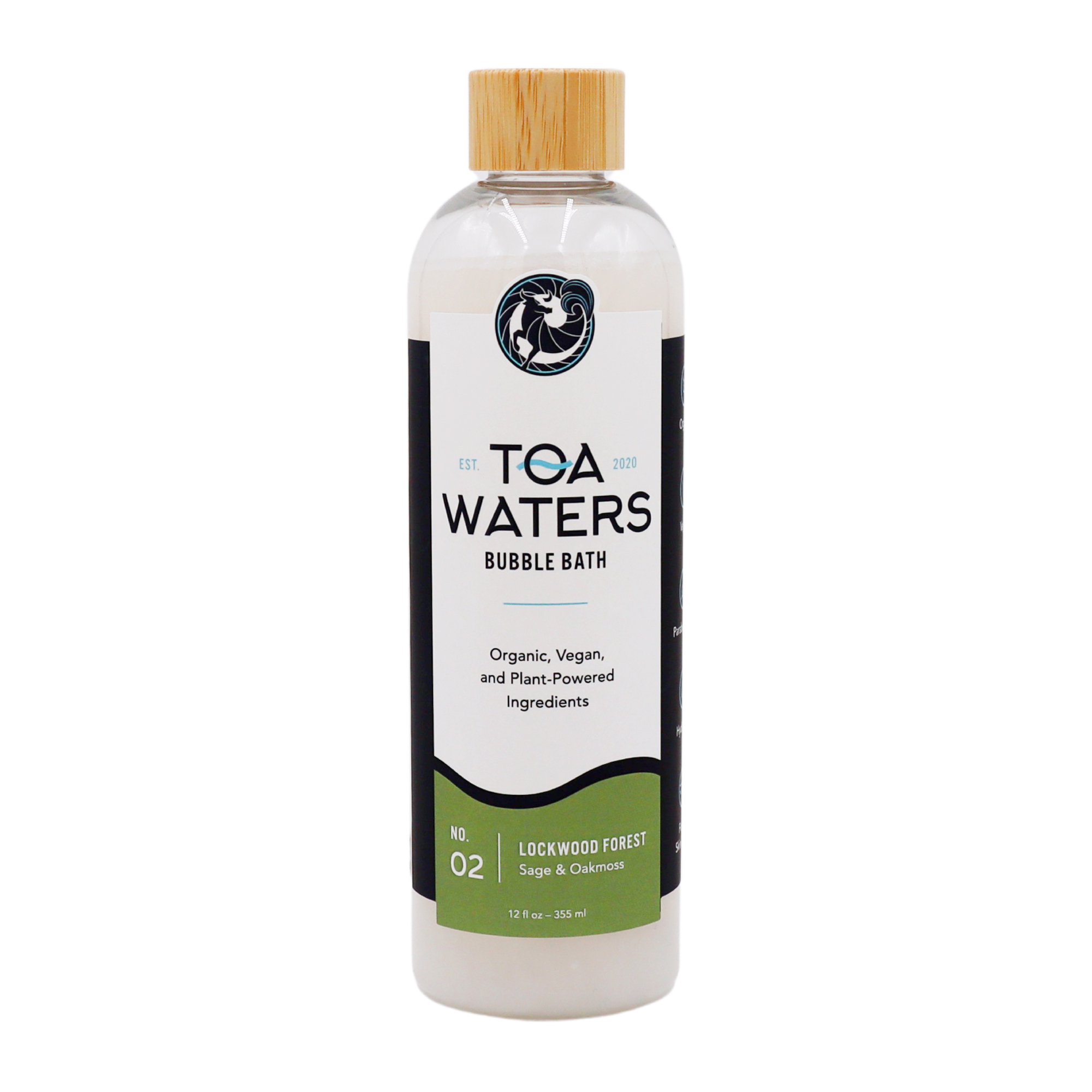
Ready to start your hushpitality journey? Explore our collection of premium bubble baths and sensory essentials designed to turn every soak into a quietcation.