From a warm bath to a few minutes of mindful breathing, these simple self-care rituals can help you release tension, quiet your mind, and transition into a more relaxing evening.
Some days, your to-do list never seems to end. Your inbox is overflowing, your mind is racing, and even after you finally close your laptop, your body still feels like it's running on overdrive. Sound familiar?
Stress doesn't always disappear the moment your workday ends. You might notice tight shoulders, a clenched jaw, restless thoughts, or that frustrating feeling of being exhausted but unable to relax.
The good news? You don't need an elaborate wellness routine or an entire evening of free time to help yourself unwind. Small, intentional habits can help you transition from the demands of the day into a calmer, more comfortable evening.
Here are 10 simple ways to help your body wind down after a stressful day, so you can make relaxation a regular part of your self-care routine.
1. Take a Warm, Relaxing Bath
Few things feel as comforting as stepping into a warm bath after a long day. Beyond the cozy atmosphere, warm water can help ease the sensation of muscle tension and create a dedicated moment to slow down.
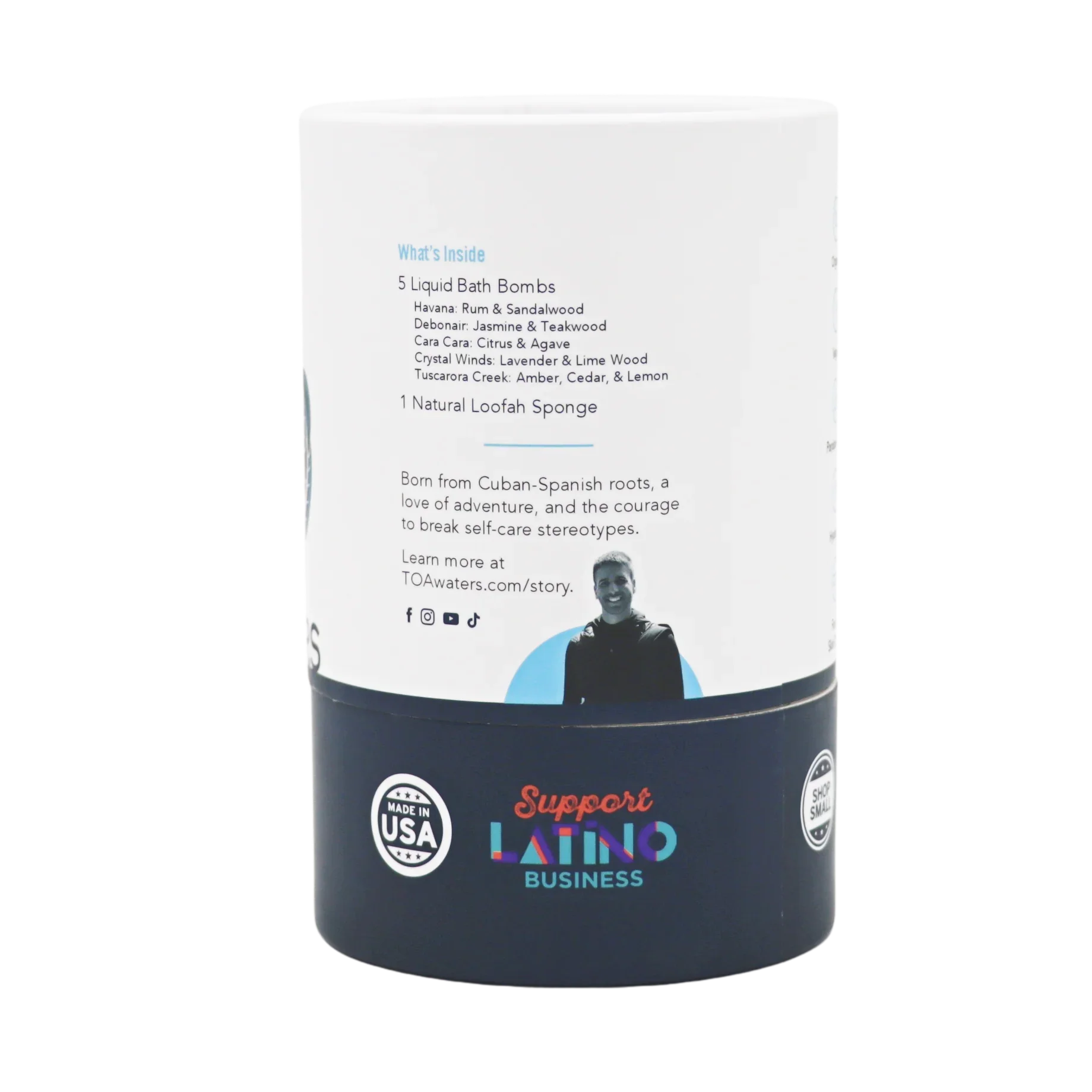
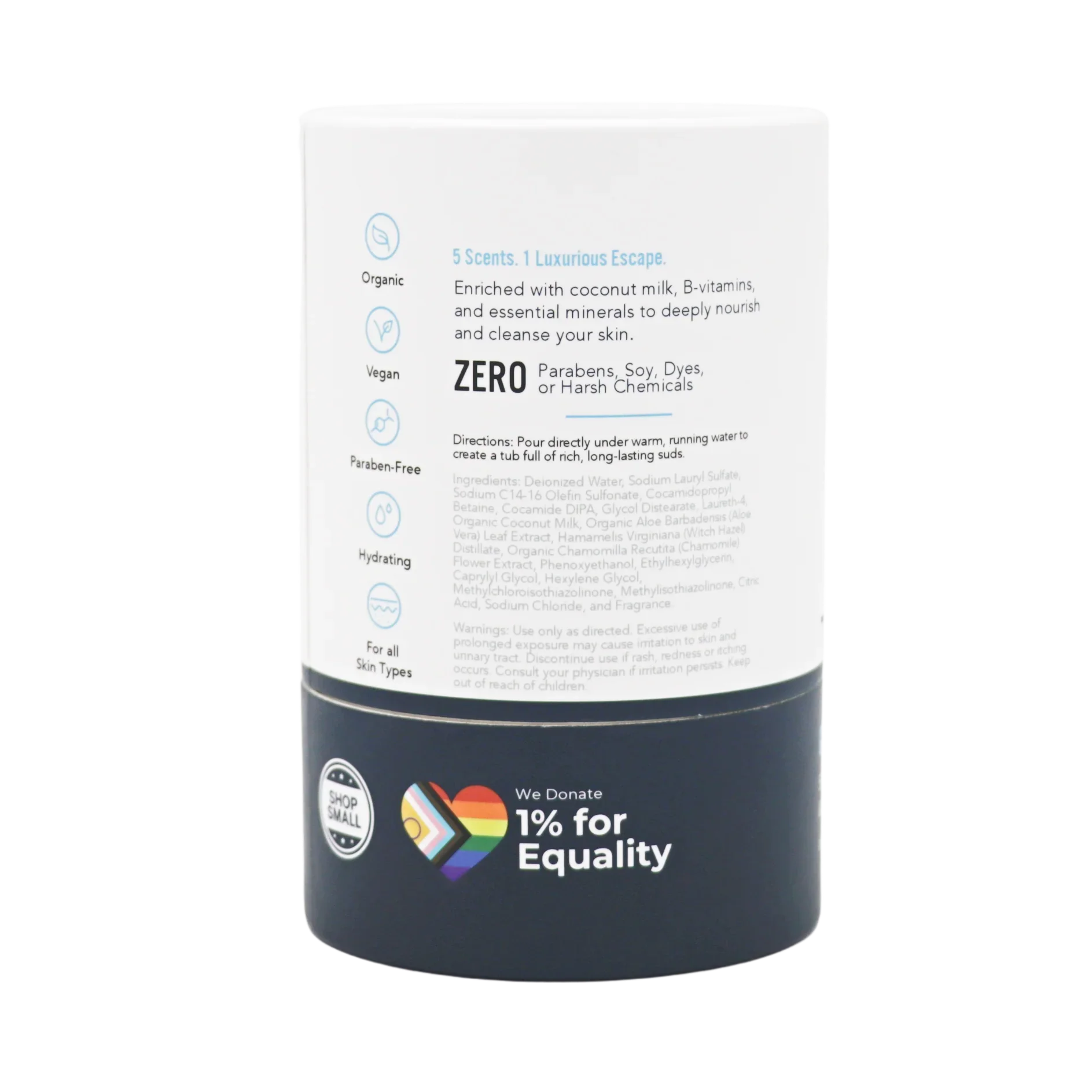
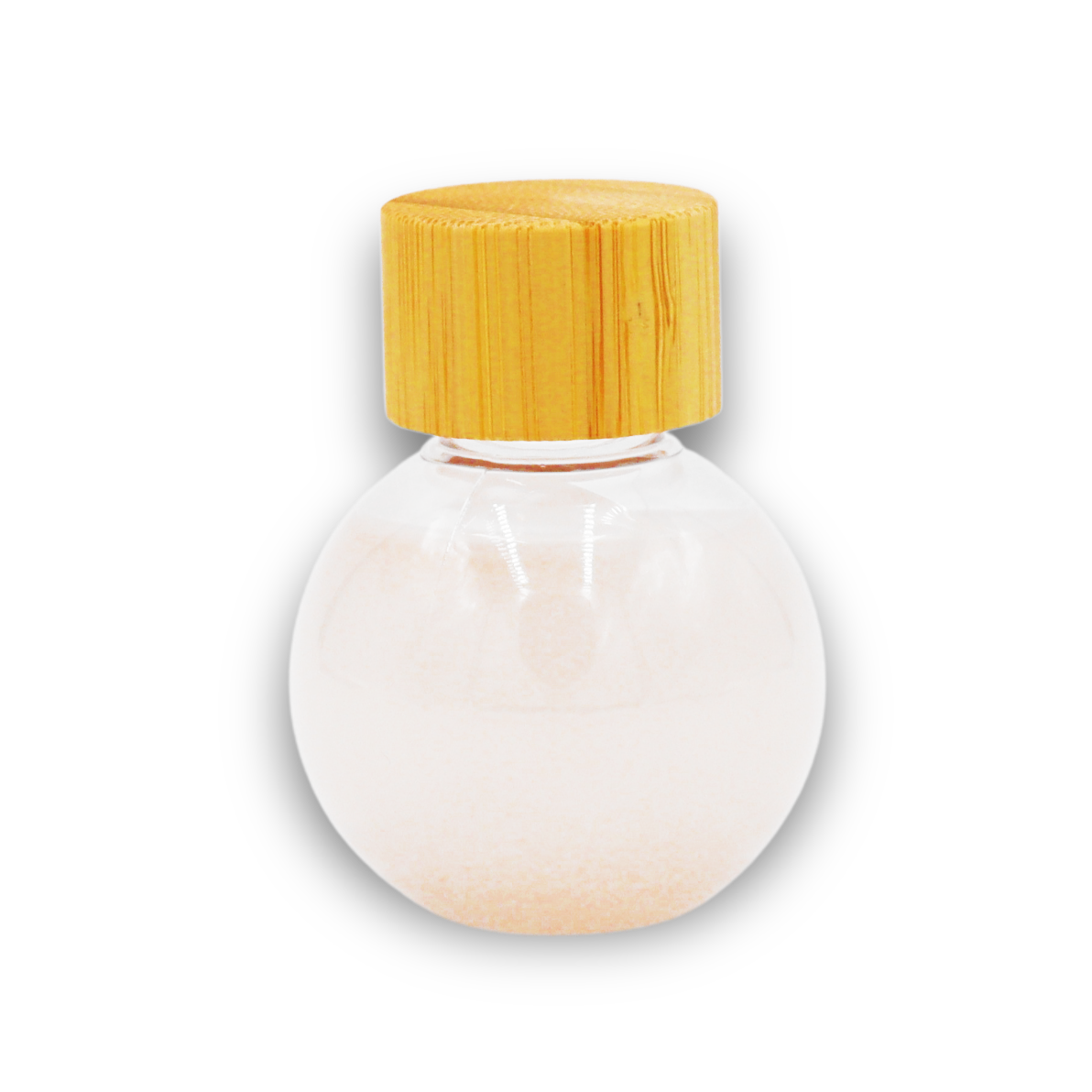
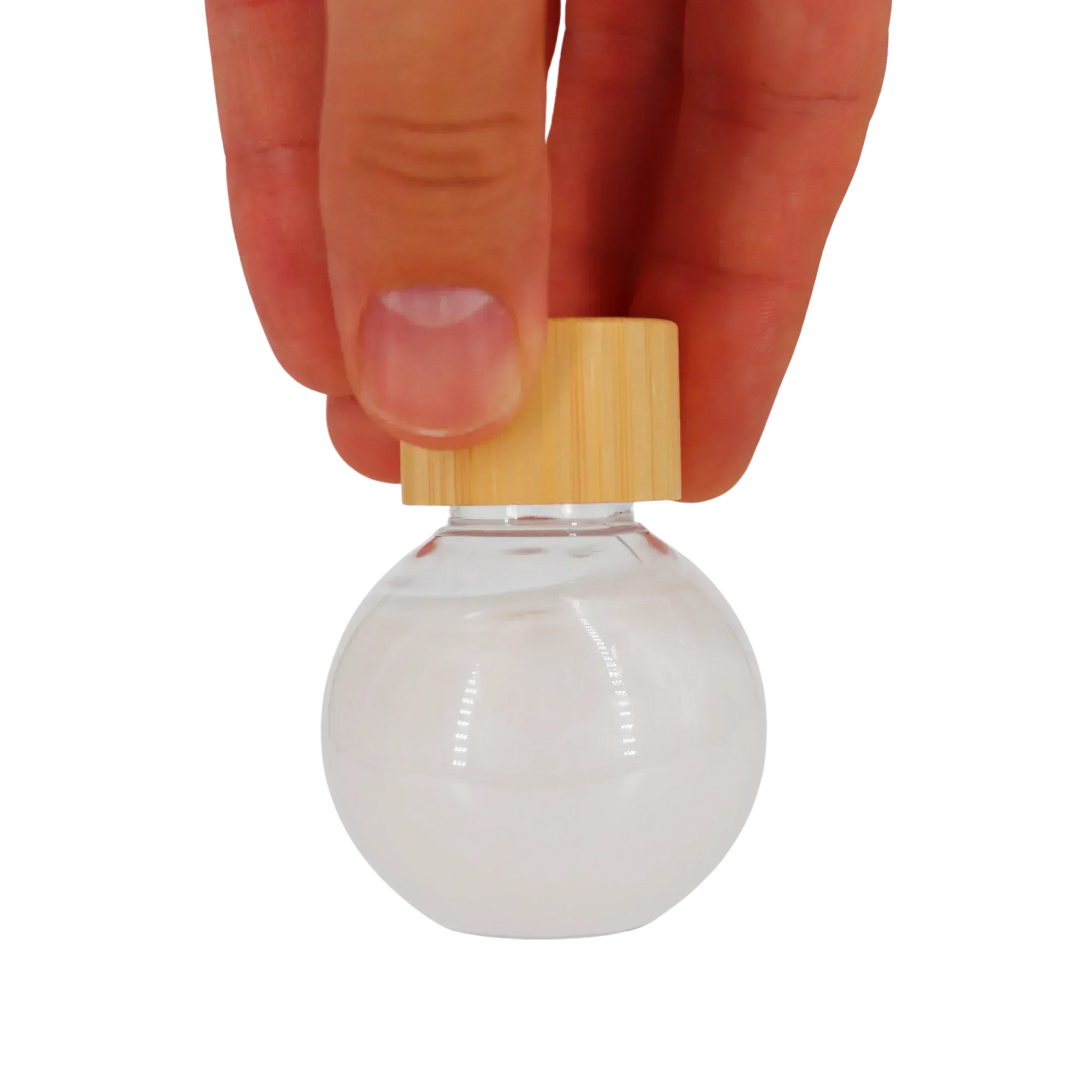
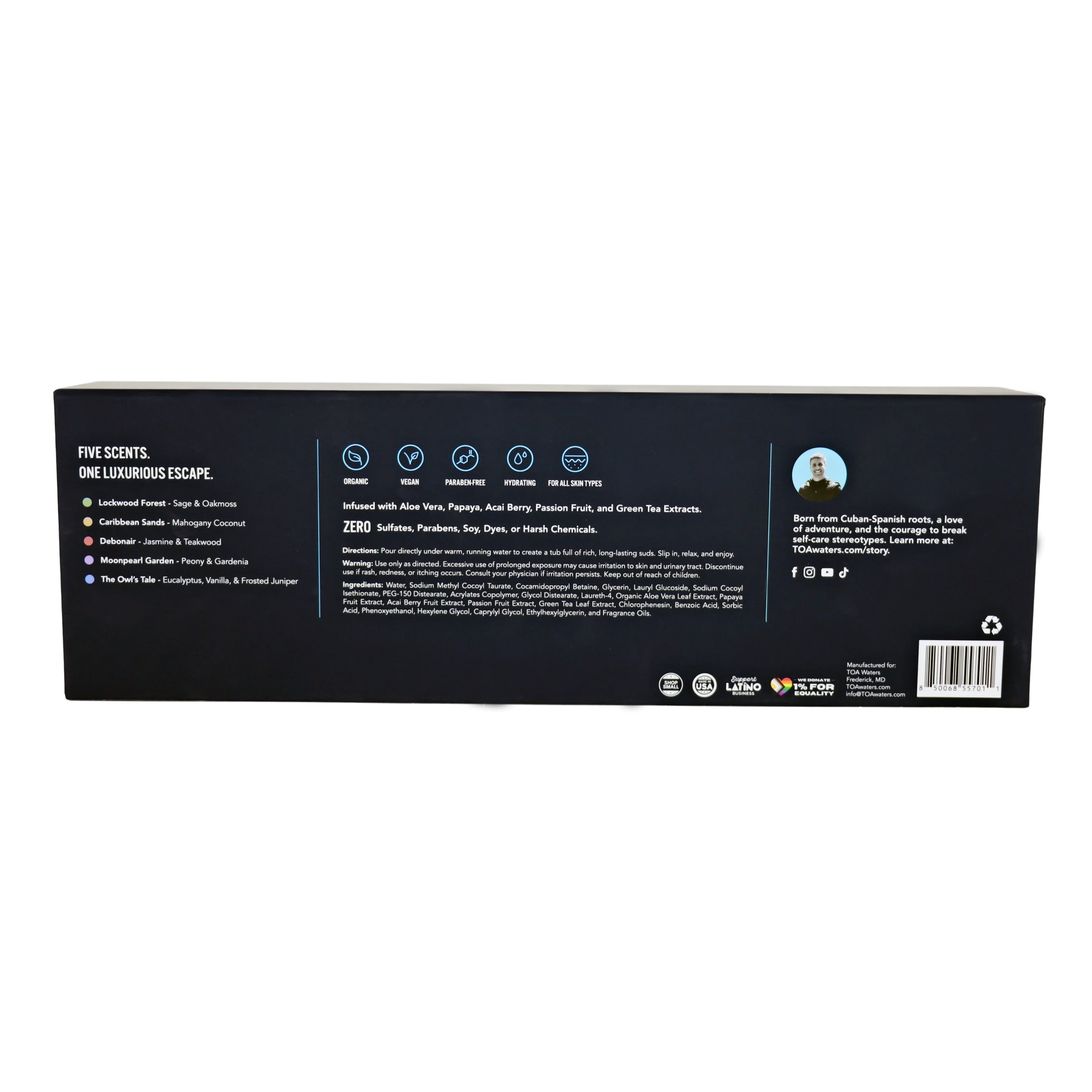
Make your bath feel like a personal retreat. Dim the lights, put your phone aside, and add a luxurious bubble bath or a liquid bath bomb to elevate the experience. Choose a scent you find comforting, whether that's a fresh botanical fragrance, a warm vanilla blend, or something reminiscent of a tropical escape.
The best part? You don't need an hour. Even 10–20 minutes can give you a welcome pause between a hectic day and a restful evening.
Self-care tip: Keep your bath comfortably warm rather than excessively hot, especially if you tend to have dry or sensitive skin.
2. Practice Slow, Deep Breathing
When you're stressed, your breathing may become quick and shallow without you even realizing it. Slowing your breathing can help you feel more settled and bring your attention back to the present moment.
Try this simple exercise:
- Sit comfortably and relax your shoulders.
- Breathe in gently through your nose for four seconds.
- Breathe out slowly for six seconds.
- Repeat for one to two minutes, adjusting the pace to what feels comfortable.
There's no need to force an especially deep breath or hold your breath. Keep it gentle and natural.
This is one of the easiest relaxation techniques to practice because you can do it almost anywhere: at your desk, in the car before heading inside, or while settling into bed.
3. Stretch Away the Day's Tension
Hours spent sitting at a desk, commuting, or rushing between errands can leave your body feeling stiff and uncomfortable.
A few gentle stretches can help you release that feeling of tightness and reconnect with your body.
Try rolling your shoulders, gently tilting your head from side to side, stretching your arms overhead, or doing a slow forward fold if it's comfortable for you. Move gradually, without bouncing or pushing into pain.
You don't need a full yoga session to benefit from movement. Five minutes of gentle stretching can be a welcome reset.
Make it a ritual: Stretch after changing out of your work clothes, creating a physical signal that your workday is officially over.
4. Take a Break From Screens
Between emails, social media, streaming, and text messages, it's easy to spend the entire evening looking at a screen.
But constantly consuming information can make it harder to mentally disconnect from the day, especially when work notifications keep arriving or your social feed leaves you feeling overstimulated.
Try creating a short screen-free window before bed. Put your phone on silent, step away from your computer, and give yourself permission not to respond to everything immediately.
Use that time to read a book, listen to calming music, take a bath, or simply sit somewhere comfortable.
You don't have to give up your favorite shows or become a digital minimalist. Just create a little breathing room between yourself and the endless stream of notifications.
5. Create a Calming Evening Atmosphere
Your surroundings can influence how an evening feels. A bright, noisy, cluttered space may not feel especially inviting when you're already overwhelmed.
Try making a few small changes to your environment:
- Soften the lighting: Switch off harsh overhead lights and use a lamp instead.
- Choose calming scents: Use a room spray with a fragrance you enjoy to make your space feel fresh and inviting.
- Play gentle sounds: Put on instrumental music, nature sounds, or a quiet playlist.
- Make one small area comfortable: Straighten your bedside table, fluff your pillows, or prepare your favorite chair.
You don't need a perfectly styled home to create a relaxing environment. The goal is to make your space feel like somewhere you can exhale.
A few thoughtful details can turn an ordinary evening into something that feels a little more restorative.
6. Go for a Gentle Evening Walk
When your mind feels crowded, a change of scenery can help.
A leisurely walk gives you an opportunity to move your body, get some fresh air, and step away from whatever has been occupying your attention. You might notice the changing light, listen to birds, or simply enjoy a few minutes without having to accomplish anything.
Keep the pace comfortable. This isn't another workout to squeeze into your schedule; it's a chance to move without pressure.
If you don't feel like going outside, try walking around your home or doing a few minutes of gentle movement indoors.
Even a short walk can help you create a clear transition between the demands of the day and the rest of your evening.
7. Sip a Warm, Caffeine-Free Drink
Sometimes, the simplest rituals are the ones we look forward to most.
Making a warm drink can create a small moment of comfort at the end of the day. Try caffeine-free herbal tea, warm milk, or another soothing beverage you enjoy.
The ritual matters, too. Choose your favorite mug, sit somewhere comfortable, and take a few minutes to enjoy your drink without multitasking.
If you're sensitive to caffeine, pay attention to what you drink later in the day. Caffeine can interfere with sleep, and its effects may last longer than you expect.
Think of your evening drink as a cue to slow down rather than a magic solution for stress. It's a small, enjoyable way to make room for yourself.
8. Write Down What's on Your Mind
Have you ever climbed into bed only to remember everything you didn't finish that day?
When thoughts and responsibilities keep circling through your mind, putting them on paper may help you feel more organized and less preoccupied.
Try a quick five-minute brain dump. Write down whatever is occupying your attention, including unfinished tasks, worries, and things you need to remember tomorrow.
Then separate your notes into two simple categories:
- Tomorrow's priorities: The things that genuinely need your attention.
- Things I can let go of tonight: Anything that doesn't require an immediate response or decision.
You don't need to solve every problem before bed. Sometimes, acknowledging what's on your mind and deciding when you'll revisit it is enough to help you stop mentally rehearsing your to-do list.
9. Try a Simple Self-Care Routine
Self-care doesn't have to be complicated, expensive, or time-consuming. A familiar evening routine can give your day a gentler ending.
Start with a few things you already enjoy: wash your face, apply your favorite moisturizer, take a warm shower, or spend a few minutes caring for your hands and body.
You could also use a nourishing body wash with a fragrance you love or finish your routine with a comfortable pair of pajamas.
The key is consistency, not perfection. Choose two or three small actions you can realistically repeat, even on your busiest days.
Over time, that familiar sequence can become a signal that it's time to stop rushing and start settling into the evening.
10. Make Sleep a Priority
Sometimes, the most productive thing you can do after a stressful day is give yourself permission to rest.
Sleep supports physical recovery, mood, concentration, and overall well-being. Yet when we're busy or overwhelmed, bedtime is often the first thing we sacrifice.
Help yourself prepare for a better night's sleep by keeping a consistent bedtime, making your bedroom comfortable, and allowing enough time to wind down before getting into bed.
Remember, good sleep doesn't begin the moment your head hits the pillow. The choices you make throughout the evening can help set the stage for a more restful night.
Your Evening Reset Doesn't Have to Be Complicated
When you're already exhausted, the last thing you need is another demanding wellness checklist.
You don't have to try all 10 of these ideas tonight. Start with just one. Take a warm bath, stretch for five minutes, put your phone away, or spend a little time writing down what's on your mind.
Notice what helps you feel more comfortable and relaxed, then build from there.
And remember: relaxation isn't something you have to earn by finishing every task on your list. You deserve time to recharge, even when your day hasn't gone perfectly.
At TOA Waters, we believe self-care should feel like a pleasure, not another obligation. Whether that means enjoying a luxurious bath, refreshing your space with a favorite fragrance, or simply taking a few uninterrupted minutes for yourself, small rituals can help make everyday life feel a little more intentional.